In the Pink
Posted on February 14, 2026
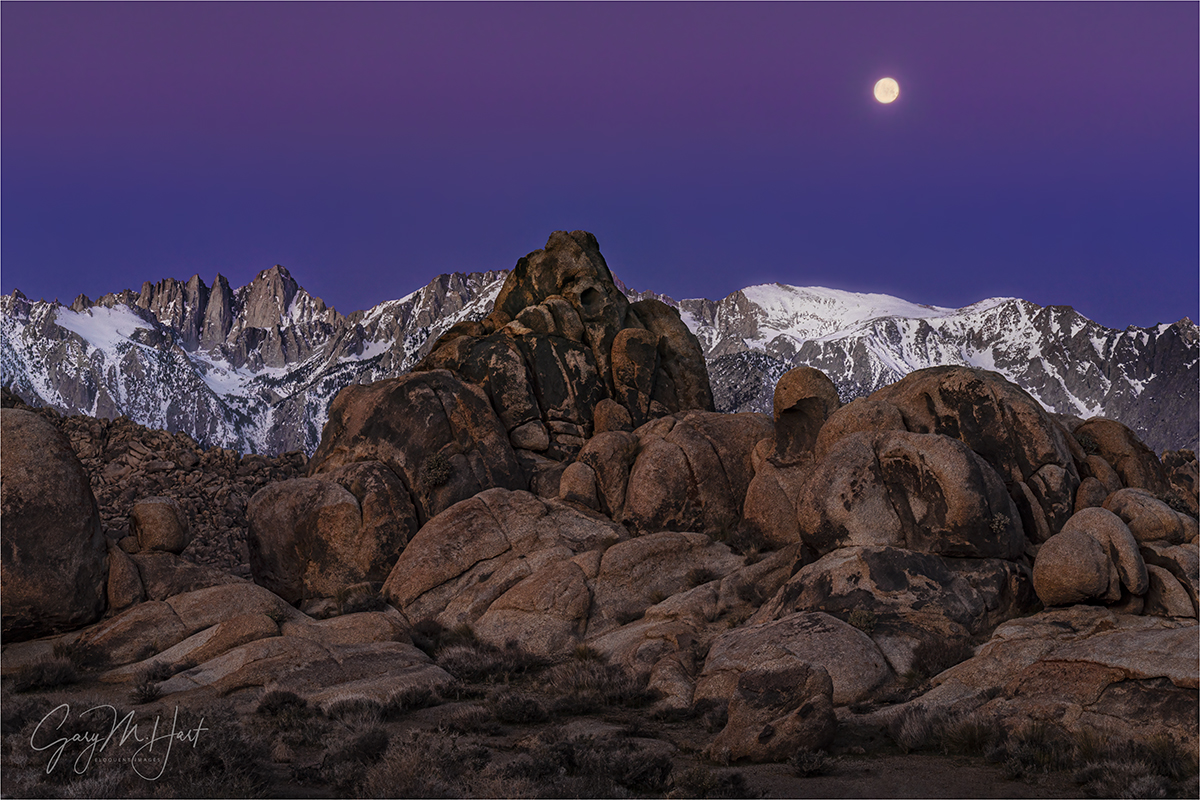
Twilight Wedge and Setting Moon, Mt. Whitney and the Alabama Hills, Eastern Sierra
Sony a7R V
Sony 24-105 G
1/5 second
F/16
ISO 100
The rewards of rising before the sun are many. For me, the opportunity to witness twilight’s soft, cool light slowly warmed by the approaching sun, to breathe in the cleanest air of the day, and to simply be alone with the purest sounds and smells of nature, are ample compensation for whatever chill and sleep deprivation I might experience. And on mornings when the sky is cloudless and the air especially pure, there might just be a bonus.
To collect that bonus, about 20 minutes before sunrise, look for parallel bands of vivid pink and steely blue hugging the horizon opposite the rising sun. Many photographers, myself included, call this early display the “twilight wedge,” but it has other similarly non-scientific names. Closer to the horizon, the dark blue band is actually Earth’s shadow—the final section of sky not receiving any direct light from the soon to appear sun; just above, the pink band is the the day’s first rays of direct sunlight. It’s pink because the sun is just far enough below the eastern horizon that the only its longest, red wavelengths manage to battle through the atmosphere all the way to the other side of the sky. The cleaner the air, the more vivid the twilight wedge’s color. (This color is also possible after sunset, but by day’s end there are usually more color-robbing particles in the air, and Nature’s quiet is often disturbed so much by human activity that some of the magic is lost.) And when towering peaks soar far enough above the viewer’s vantage point that they jut into this pink twilight wedge band, we call it alpenglow.
I love finding beautiful scenes to go with the gorgeous pre-sunrise sky opposite the sun. Near the top of my list is the Alabama Hills, in the shadow of the highest Sierra Nevada peaks. The Alabama Hills are a disorganized jumble of massive, weathered boulders covering many square miles, making an ideal foregrounds for the assortment of serrated peaks looming to the west. A more perfect arrangement for nature photographers couldn’t be assembled—and, as if that’s not enough, the Alabama Hills are also among the best places on Earth to photograph alpenglow.
Of course all this is no secret, and the Alabama Hills has become one of the most popular photography spots in California. To improve my chances of capturing unique images here, I love adding the moon to my Alabama Hills / Sierra Crest scenes. (And when I say “add,” I mean the honorable, old-fashioned way, not with AI or other digital shenanigans.) For years, I’ve timed my Death Valley winter workshop to allow me to take my group to the Alabama Hills, just a 90 minute drive from Death Valley, for the workshop’s final sunset, followed by the moon setting behind the Sierra Crest at sunrise the final morning.
Of course, because there’s only one “best” day in each lunar cycle to photograph a full (-ish) moon setting behind the Sierra Crest, I have no wiggle room when scheduling this workshop—a day early, and the moon is gone before the landscape is light enough to photograph; a day late, and the sky is much too bright by the time the moon drops close to the mountains.
But even nailing the day doesn’t ensure success. Clouds are of course a concern, especially in winter. And each year the timing and position of the moon’s disappearance behind the crest is a little different. In January and early February (when I always schedule this workshop), viewed from my preferred location, the moon sets somewhere between Mt. Whitney and Mt. Williamson (California’s two highest peaks), usually closer to Williamson.

Before Sunrise, Mt. Whitney and the Alabama Hills, California (30 minutes before sunrise)
I like to get my groups out to the Alabama Hills about 30 minutes before we can start photographing the moon. The foreground will still be quite dark to our eyes, and the moon will at least 10 degrees above the crest, but I tell my students to start shooting as soon as we arrive.
Using a long exposure in a frame that doesn’t include the moon (the top of the frame is below the moon), captures much more (mostly shadowless) foreground detail than our eyes see, while juxtaposing the mountains’ light gray granite against a sky that’s darker than the peaks—a magnificently striking sight indeed, especially when there’s snow on the peaks. We’ll keep shooting versions of this until it’s time to include the moon in the festivities.
For any moon photography, the darker the sky, the better the moon stands out. But too early and it’s impossible to capture foreground detail without completely blowing out the moon. For me, the time to photograph any setting full moon starts about 20 minutes before sunrise—basically, as soon as the landscape has brightened enough foreground and lunar detail with one click. And if we’re especially lucky, when that time arrives, we’ll find the moon in the midst of a vivid pink twilight wedge.
This opportunity only lasts a few minutes, because as the sky brightens and the foreground exposure gets easier, the color fades and the essential contrast between the sky and moon decreases. The twilight wedge lasts less than 10 minutes, and is followed by slowly warming sky. By maybe five minutes after sunrise, the good color is long gone and the moon/sky contrast has decreased enough for me to put my camera away.
This year’s Alabama Hills moonset was especially nice. One of my favorite things about my Death Valley / Alabama Hills workshop is that we get two “ideal” (moon setting as the color and light are at their best) sunrise moonsets for the price of one. On our last day in Death Valley, from Zabriskie Point we photograph the moon setting behind Manly Beacon, one of Death Valley’s most striking and recognizable features. Because the mountains behind which the moon sets from Zabriskie rise only about 3 degrees above a flat horizon, this moonset happens much closer to the “official” (flat horizon) sunrise that’s universally used for any celestial rise and set. The next morning we’re in the Alabama Hills—even though the moon sets about an hour later than it did the day before, because the Sierra Crest towers about 10 degrees above the horizon when viewed from the Alabama Hills, the actual moonset we see happens at just about the same time as the prior day’s moonset.
Which is exactly things unfolded for this year’s workshop group. We followed up a beautiful Death Valley Zabriskie Point sunrise moonset, with a similarly outstanding Alabama Hills sunrise moonset the next morning. The vivid hues of the twilight wedge had just peaked when I clicked this image. To my eyes, this entire scene (except the moon), and especially the foreground, was much darker than this image shows. But my camera’s ridiculous dynamic range, combined with Lightroom’s masking that allows me to process the sky and foreground independently from each other, enabled me to expose the scene dark enough to capture essential lunar detail, yet remain confident I had enough recoverable detail in the foreground.
Workshop Schedule || Purchase Prints || Instagram
Alabama Hills Gallery
Click any image to scroll through the gallery LARGE


A Photographer’s Vision
Posted on February 9, 2026
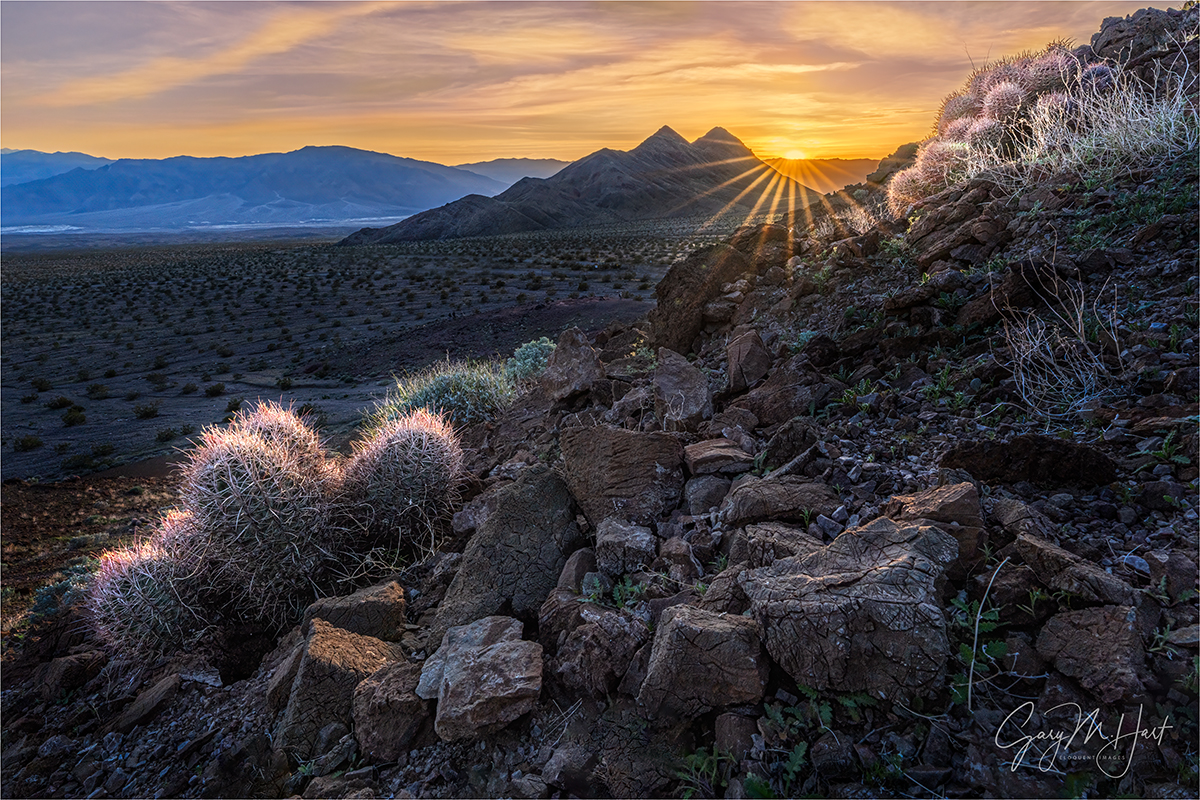
Day’s End, Hell’s Gate, Death Valley NP
Sony α1
Sony 16-35 GM II
1/80 second
F/20
ISO 100
I just returned from a spectacular workshop in Death Valley, one of the most fascinatingly unique locations on Earth. After missing Death Valley last year, it was especially nice to return. (Of course it didn’t hurt that I had a great group that enjoyed fantastic conditions from beginning to end.)
I first got to know Death Valley as a kid, when my family camped there several times over the Christmas school break. We’d spend a most of the week between Christmas and New Year’s Day exploring all kinds of cool stuff that would thrill any young boy: Scotty’s Castle, Rhyolite (a ghost town), and collections of abandoned mining equipment scattered about the desert. We also went to all the standard vistas like Zabriskie Point and Dante’s View, and hiked some of the shorter, most popular trails (Golden Canyon, Mosaic Canyon, Natural Bridge). But with all the cool old stuff, I was much less interested in the scenery and hiking part of those trips, and never really registered Death Valley’s spectacular natural beauty.
About 20 years ago I returned with a camera and saw Death Valley in a completely different way. Suddenly, beauty was everywhere. It would have been easy to—and I probably did—think to myself some version of, “Gee, I don’t remember Death Valley being this beautiful.”
When traveling more with my camera to other childhood family vacation destinations kept eliciting similar epiphanies, I started noticing the way photography was enhancing my overall view of the world. Suddenly, I was seeing the world as a photographer and finding beauty everywhere.
Today, camera or not, my eyes naturally scan my surroundings for scenes, large and small, that resonate personally. Even without a camera, I now seem to unconsciously create compositions in my brain, mentally identifying striking features and their relationships to one another, and figuring out the best way to position myself and frame the scene.
This photographer’s vision isn’t limited to a scene’s physical objects, it also extends to weather and light, both current and potential. What conditions will complement this scene best, and how do I get here to enjoy them? Warm early/late light, moonrise or moonset, fall color, overcast, the Milky Way, a reflection, sunstar—anything that might elevate the scene.
I don’t think this makes me especially unique—in fact I’d venture to guess that many (most?) serious nature photographers view the natural world similarly. And for those who don’t, I believe it’s a quality that can be cultivated with a little conscious practice until it comes naturally.
A great example of putting this mindset to use came the day before this year’s Death Valley workshop, while checking out the conditions at Hell’s Gate on Daylight Pass Road. At the end of an 8-hour drive that started a 7:00 a.m. (to ensure I could get here before dark), I pulled up to Hell’s Gate about 15 minutes before sunset.
I’ve been taking my groups here on my workshop’s first night for many years, but despite that familiarity, there are a few variables I always like to check out for their current status. And with heavy rain earlier this winter washing out many Death Valley roads and locations, I was especially keen to make sure there would be no surprises here.
What I like about Hell’s Gate is that it’s not commonly shot view, and it has a variety of photography options in multiple directions. Directly across the road from the Hell’s Gate parking area is a small mound dotted with photogenic rocks and shrubs that all make nice foregrounds for the long view down the valley toward Telescope Peak and beyond, and west toward pyramid-shaped Death Valley Buttes. There’s even a mini-canyon—7-foot vertical walls and no more than 30-feet long—that can be used to frame the view of the Funeral Mountains to the east and south.
Uphill from this little canyon is a short (100 yards or so) but steep (-ish) trail to an elevated prominence with a similar view. Foreground options up here include more striking rocks, plus an assortment of very photogenic cacti. My favorites are the many clumps of barrel cactus sprinkled around the surrounding slopes. Depending on the year, the condition of the barrel cacti can range from fresh pink with small flowers, to a dried out brown-gray. Though there were no flowers this year, I was happy to see that they were all beautifully pink and alive.
Walking up the trail on this visit, my eyes picked out the best cacti and I started making mental pictures without really realizing it. A little later, visualizing a potential sunstar I took note of exactly when and where the sun would drop behind the nearby buttes and distant Cottonwood Mountains.
Satisfied all was well, I hopped in my car and, instead of making the 30-minute drive to my hotel in Furnace Creek, I added 2 hours to my already long day by detouring to Pahrump so I purchase essential grocery items I’d foolishly left at home. (This is actually an improvement over my prior Death Valley workshop, when I forgot to bring my computer. And in my defense, that’s the only time in my 20 years of leading workshops I’ve done that, and I now triple-check to ensure it never happens again.)
But anyway… When I returned to Hell’s Gate with my group the following evening, I was able to point out all the possibilities and describe exactly what the light would do as the sun dropped. I encouraged everyone to identify the views they like best, as well as foregrounds to put with them, so they wouldn’t be scrambling around looking for shots when the light was at its best. (I’ve noticed that this kind of anticipation doesn’t happen naturally for some people at the start of a workshop, so it’s become a particular point of emphasis.)
On the first shoot of any workshop I try to get around to everyone and therefore rarely shoot, but as the sun dropped and I saw that everyone was quite content, I returned to a composition that I’d identified the prior evening.
Earlier I’d pointed out to my group the very large barrel cactus clump perched on the hillside about 20 feet above the trail, but I think the steep slope covered with loose rock, not to mention lots of easier access compositions nearby, had discouraged them from scaling the hill. So up I went. Reaching my target cactus, I checked out the even larger barrel cactus clump farther up the hill and maybe 20 feet away.
My vision on the first visit was to frame Death Valley Buttes and the sunstar (if the clouds permitted it) with these two cacti; once I was actually in position in front of the closest barrel cactus, I was pleased to confirm that what I’d visualized would in fact work. I just had to tweak my composition to account for the rocks at my feet and clouds near the horizon. The other thing I had to be careful about was my camera bag, which could very easily tumble down the hillside if I didn’t plant it firmly braces and balanced on the rocks.
To deemphasize the (ugly) brown foreground, I dropped my tripod to about a foot above the ground, which made the foreground all about the beautiful cactus and interesting rocks. And though scenes rarely fully cooperate with my goal for clean borders, I took special care to find the best place to cut the rocks at the bottom and sides of the frame, and the clouds at the top.
When I was satisfied with my composition, I picked my focus point—with the closest rocks about 18 inches away, it helped that I already needed to stop way down for the sunstar. Since I wanted everything in this frame sharp, I applied my tried-and-true seat-of-the-pants focus point technique: pick the closest thing that must be sharp (the rocks), then focus a little bit behind it—because focusing on the closest thing gives me sharpness in front I don’t need. (“A little bit” varies with the scene, focal length, f-stop, and subject distance, but the more you do this, the better you get at deciding what “a little bit” is.) I chose f/20 and focused on the close cactus, about 2 feet away.
When the sun reached the horizon, I started with a shutter speed that the balanced black shadows and white highlights as much as possible (knowing I’d be able to recover some of each in processing), and started clicking. After each click, I adjusted my exposure in 2/3 stop increments—first up about 3 stops above my starting point, then back down to 3 stops to below, continuing until the sun disappeared. This gave me a broad range of exposures to choose between on my computer later.
When we were finished, everyone seemed pretty happy with our start. Though I didn’t get a chance to process my own images until after the workshop, from what I saw in the image review, I’d say their excitement was justified.
Workshop Schedule || Purchase Prints || Instagram
A Death Valley Gallery


Happy Anniversaries to Me
Posted on January 26, 2026
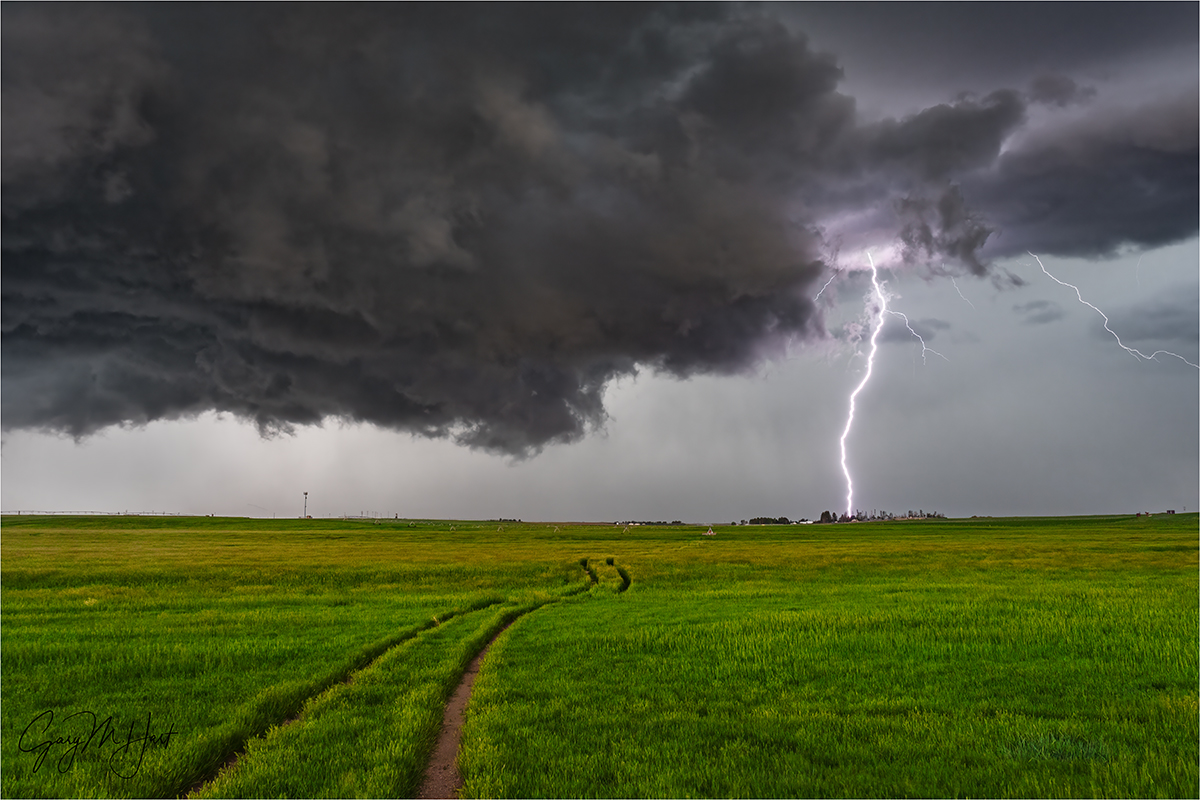
Rural Lightning Strike, Southeastern Wyoming
Sony a7R V
Sony 24-105 G
.6 seconds
F/8
ISO 800
I just realized that January 2026 marks a couple of milestones for me. Twenty years ago this month, I left my “real” job at Intel (good company, lousy manager) to pursue my dream of becoming a landscape photographer. And 15 years ago this month, I started writing this blog.
Leaving Intel was a leap of faith that, I now know, was far riskier than I believed at the time. That it worked out I attribute more to fortuitous timing than some kind of genius master plan. By the time I left Intel, I’d accumulated a pretty good portfolio of images that I’d printed and sold in weekend art shows. I also had prints in a few local galleries, but print sales alone didn’t generate anywhere near enough money to justify leaving a good job (or for that matter, even leaving a bad job).
My first post-Intel step was to ramp up my art show schedule and upgrade my art show booth lighting and display panels; despite decent art show success ($1000-$4000/weekend, doing the math told me that the time, effort, and relentless (intrastate) travel necessary to earn a fulltime income on the art show circuit would soon suck the joy from photography, and leave precious little time for actual photography. So I concentrated on a handful of quality shows within a 100 mile radius of my Sacramento home, and started looking for other ways to support myself with landscape photography.
I knew that many landscape photographers made a good living selling stock images, but by 2006 it was clear to me that digital photography was taking a toll on stock photography income, and there no end to the decline in sight. A couple of years earlier, just a few months after purchasing my first DSLR (a Canon 10D), I’d taken a weekend photography workshop to explore Point Reyes (thanks, Brenda Tharp!) and it occurred to me that I was qualified for something like that in Yosemite: I know photography well enough to teach it, I have a lifetime of Yosemite knowledge, my 20 years in the tech world had focused almost entirely on technical communications (training, writing, tech support), and (not insignificant) I like people. That this insight happened a few years before the photo workshop wave flooded the photography world was a fortunate fluke.
Pivoting to the photo workshop plan, I did a little teaching and guiding as 2006 progressed, but most of that first year was spent setting my workshop business up: building a website, scheduling workshops for the best times to photograph Yosemite, and getting the word out. I also stuck with my modest weekend art show schedule, doing one every two or three months.
Looking back now, I realize the I never would have succeeded had I not spent money I didn’t really have to hire a professional web designer to create a professional website (this was before website templates made web design easy for the masses), and display a monthly ad in “Outdoor Photographer” magazine. By the time my full workshop schedule kicked off in early 2007, every 2007 workshop had filled, and subsequent workshops started filling almost as soon as I posted them.
That first year was all Yosemite, but I soon expanded to include the Eastern Sierra and Death Valley, then Hawaii, Grand Canyon, and beyond. I owe a huge debt of gratitude to my friend Don Smith, who’d already had a very successful career as a professional sports photographer, but was hoping to transition to landscape photography. Don assisted virtually all of my early workshops, and within a year or two was doing his own workshops too, which I in turn assisted. (Over the years our workshop schedules became so packed that we’re no longer able to assist each other much, but Don and I still partner on the New Zealand and Iceland workshops, and stay in pretty close contact throughout the year.)
Between arranging lodging, applying for location permits (not to mention meeting all the criteria each permit requires), answering e-mails from workshop students and potential workshop students, preparing workshop material, and actually conducting the workshops, my plate became pretty full. As much as I enjoyed doing the art shows (I really did), I felt like I was running two businesses. When the Great Recession took and obvious bite from my art show sales, while my workshops attendance didn’t even flinch, dropping the art shows became a no-brainer.
To further increase my exposure, I started writing a blog on a small photoblog site in early 2009. I say this was to increase my exposure, but it was just as much in satisfy my insatiable urge to write. I’ve been a writer all the way back to first grade, when each Monday we were assigned a list of spelling words to learn before the Friday spelling test (am I dating myself, or do they still do that?). The week’s homework assignment was to a create a “spelling sentence” for each word. But instead of spelling sentences, I always wrote spelling stories that used all of that week’s words. I can’t explain why I gave myself that extra assignment for no tangible benefit, except that I thought it was fun.
Ever since, I’ve always had to be writing something. For many years it was short stories (plus a novel that has lived in my head, but so far hasn’t made it to the page). At Intel I was a tech writer, which helped me refine my technical communication skills while feeding my internal writing monster. (One reason I left was resistance from “above” to my attempts to make inherently dull writing more readable.)
While I enjoyed the small community of photographers on that original photoblog site, I quickly found its interface limiting, and soon realized my page wasn’t attracting the eyeballs I’d hoped for. So I started looking for a blogging site that addressed those concerns, and in January 2011 landed on WordPress. What started as a weekly (-ish) blog of a few hundred words, grew to include posts with word counts in the thousands, photo galleries, and a Photo Tips section. By my estimation, I’ve probably written close to two-million words—and counting….
As much I’d love to attribute that volume to my own herculean work ethic, I don’t think I, or anyone for that matter, could sustain a weekly blog, week-in and week-out, for 15 years on guts and willpower alone. This anniversary says less about my dedication and discipline than it does about the fact that I simply love to write.
According to WordPress, I have nearly 40,000 subscribers. But because this blog is as much (more?) for me as it is for my readers, I’ve never tried to monetize those numbers by displaying ads or intrusive affiliate links. It’s satisfying to know that it has led to many workshop signups—probably not enough to justify all the time I spend on it, but that’s okay. And I never tire of hearing that people actually read and benefit from what I’ve written.
Though it wasn’t my conscious intent at the beginning, this blog has become an integral part of my photography. That’s because the subjects I choose, and the way I choose to capture them, are very much a reflection of my relationship with the natural world. To me, much of the beauty in my subjects transcends the visual and resides in the underlying natural laws. Augmenting my images with descriptions and explanations of those natural processes, makes my subjects even more beautiful to me, and (I hope) through my words, to my readers.
For example, lightning. I will freely admit that lightning’s appeal might be much greater to a life-long Californian like me, than it is to, say, a Floridian, to whom lightning is at best a nuisance, and at worst a persistent source of danger. But I do love everything about lightning—not just the way it looks, but the processes that cause it. Along with enabling me to share my images of lightning, my blog gives me an excuse to learn more about lightning, and to share that knowledge. Whether it’s the fascinating science that causes lightning, how to read the sky to understand where lightning might strike next, staying safe when lightning threatens, or the even best way to capture lightning with a camera, I’ve learned so much and am grateful to have a platform for sharing it.
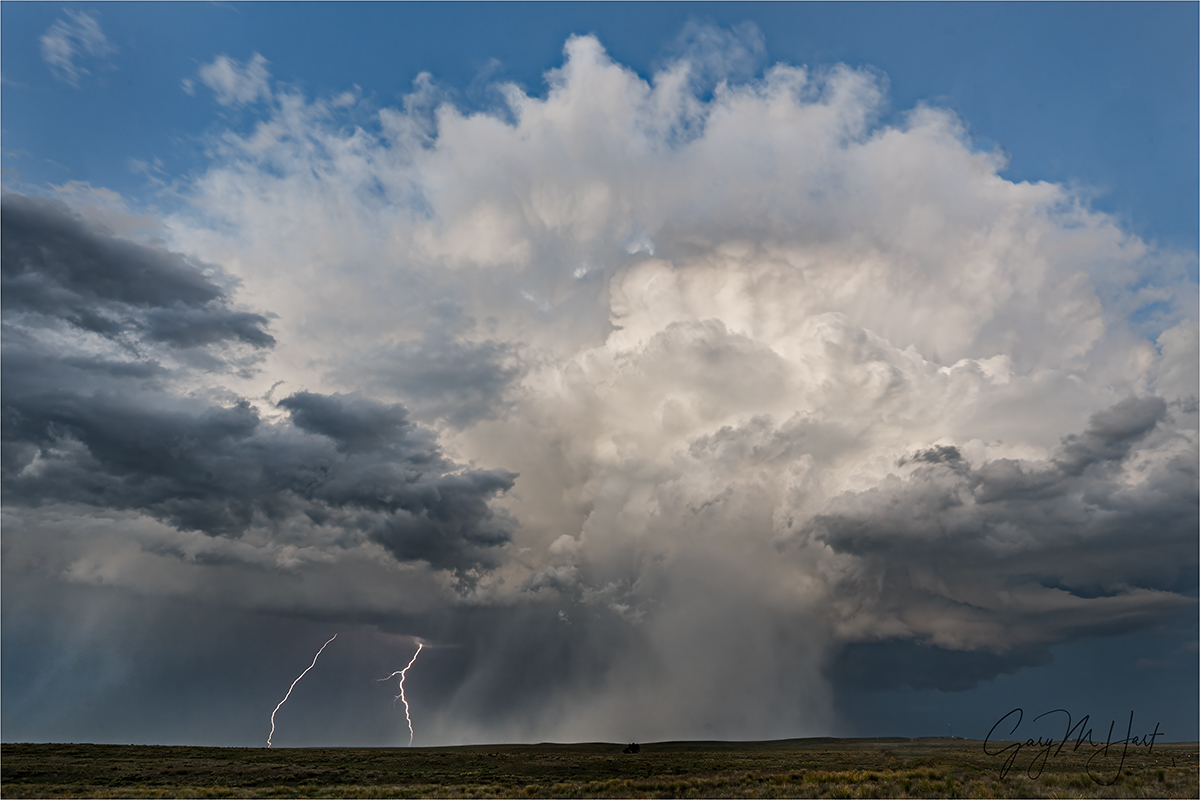
Even though I’ve photographed lightning at Grand Canyon every year since 2012, it took last June’s Midwest storm chasing trip to show me how much I don’t know. At Grand Canyon, we’re usually photographing distant thunderstorms across the canyon. But not only does storm chasing put you in much closer proximity to the electrical storms generating the lightning, these storms, whether rotating supercells or “merely” towering thunderheads, are on a totally different scale.
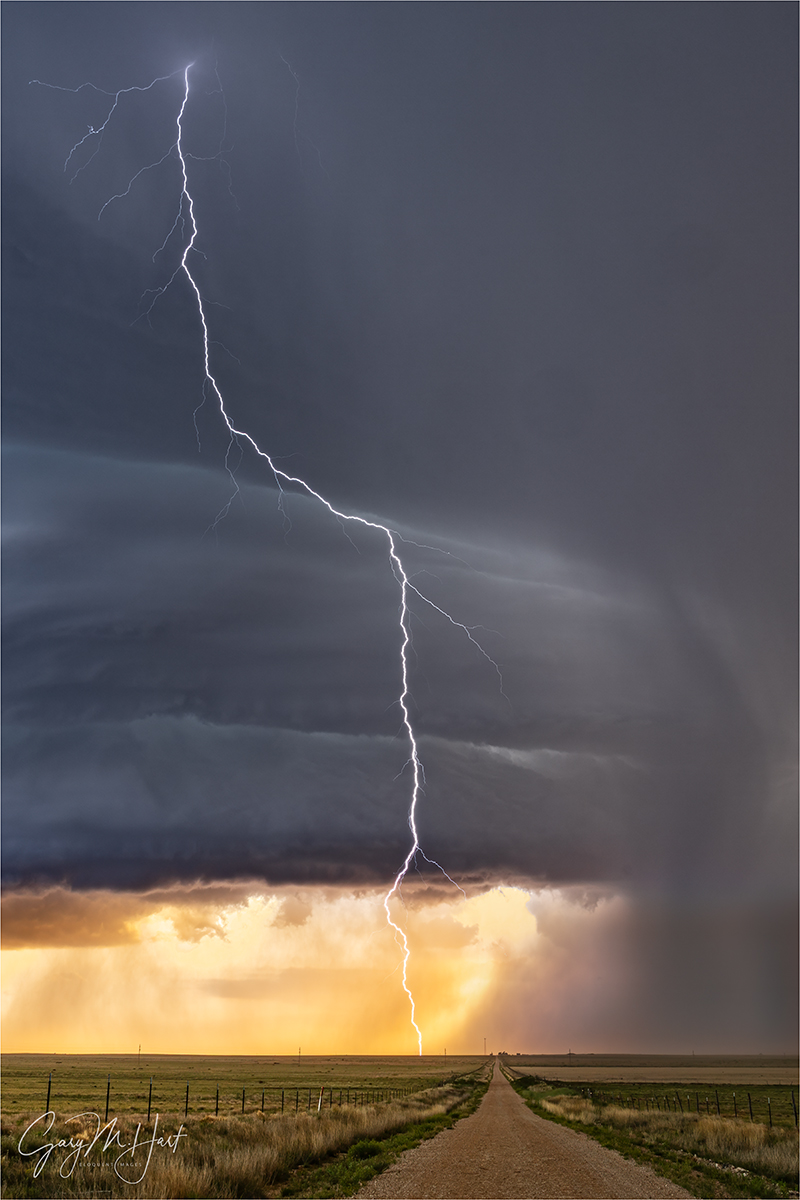
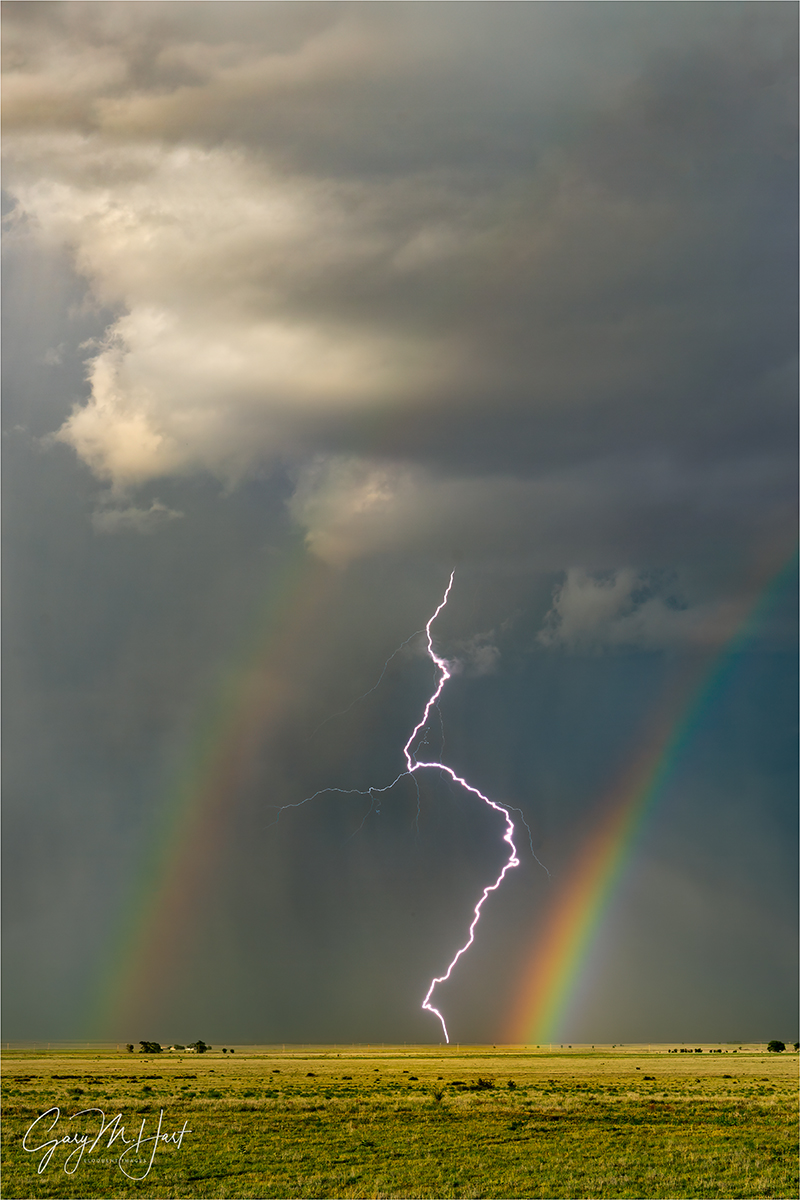
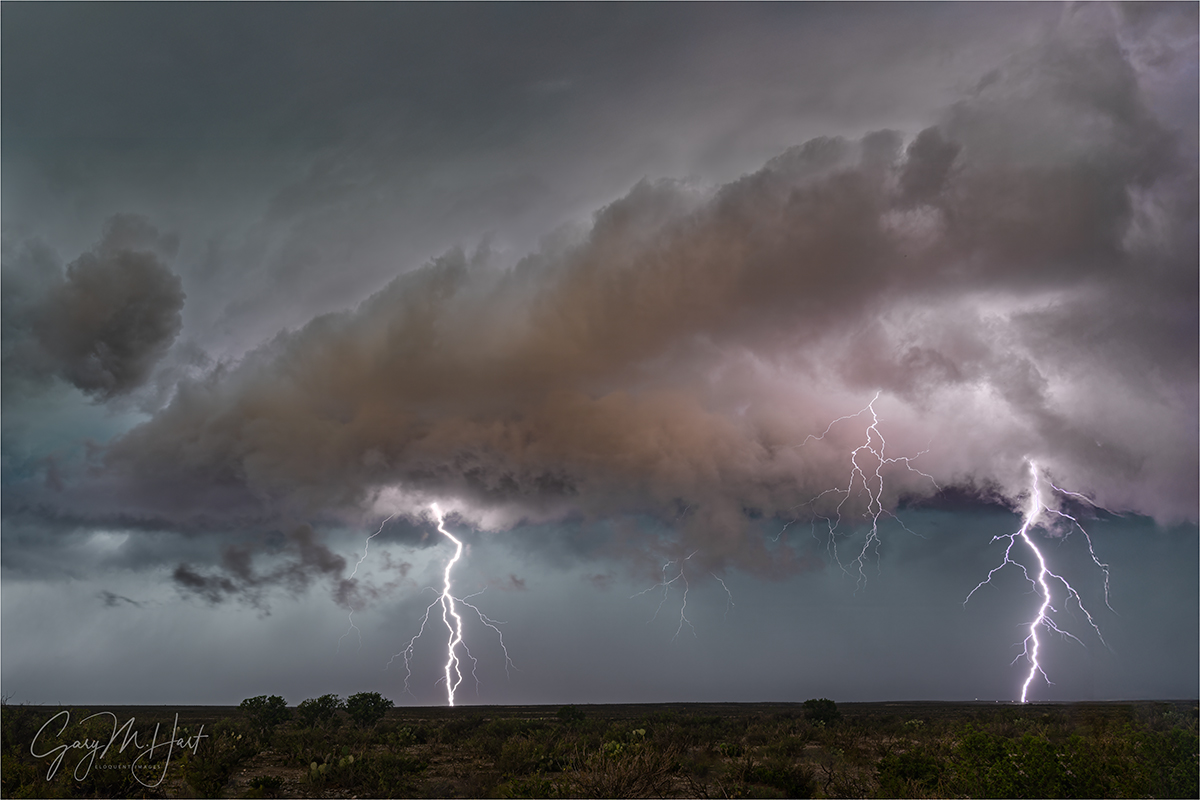
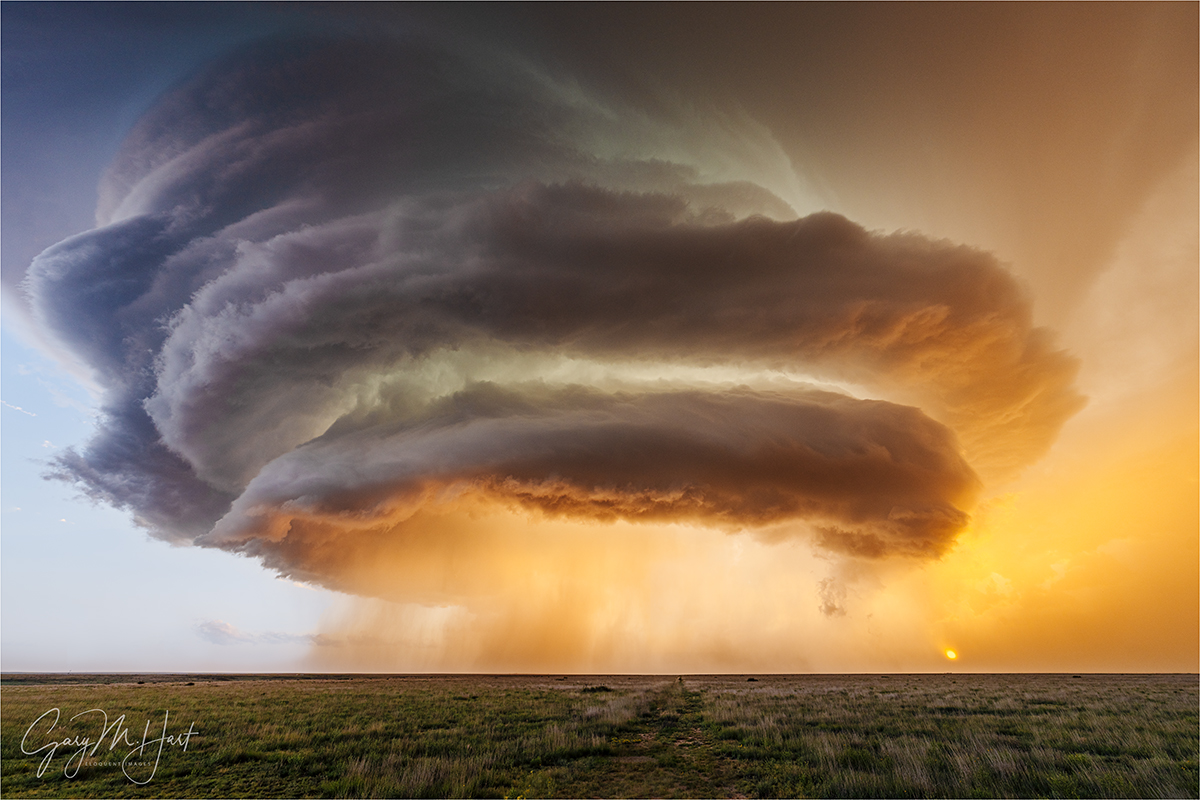
These insights came on the trip’s very first afternoon, when we hightailed it from our Denver hotel up through the plains of northeastern Colorado and into southeastern Wyoming. The image I share today I captured on the workshop’s second stop. It was my introduction to both the power and proximity of Midwest electrical storms, and with it the realization that unlike Grand Canyon storm chasing, where we generally set up a safe distance and then just wait for the lightning, Midwest storm chasing is actual get-in-the-van!-step-on-it-screech-grab-your-gear-sprint-shoot-retreat!-step-on-it-repeat STORM chasing.
Later this afternoon I got my first look at an actual supercell. And a few days after that, my first (and second, and third, and fourth, and…) tornado. A couple of days later we witnessed a supercell and lightning display that was one of the most breathtaking experiences of my life. And nearly every day of this nearly 2 week trip we saw lightning.
Calling this storm chasing experience life-changing might sound hyperbolic, and maybe even a little cliché, but I can think of few things in my photography life that have left me more awestruck. It certainly rivals other photography firsts, like rafting Grand Canyon, and viewing the northern lights and a total solar eclipse. To think that I’ve been able to earn my living witnessing these sights, and to share it all here, Is a blessing I never want to take for granted.
Workshop Schedule || Purchase Prints || Instagram
Storm Chasing Memories
Click any image to scroll through the gallery LARGE






Going Out a Winner
Posted on January 17, 2026
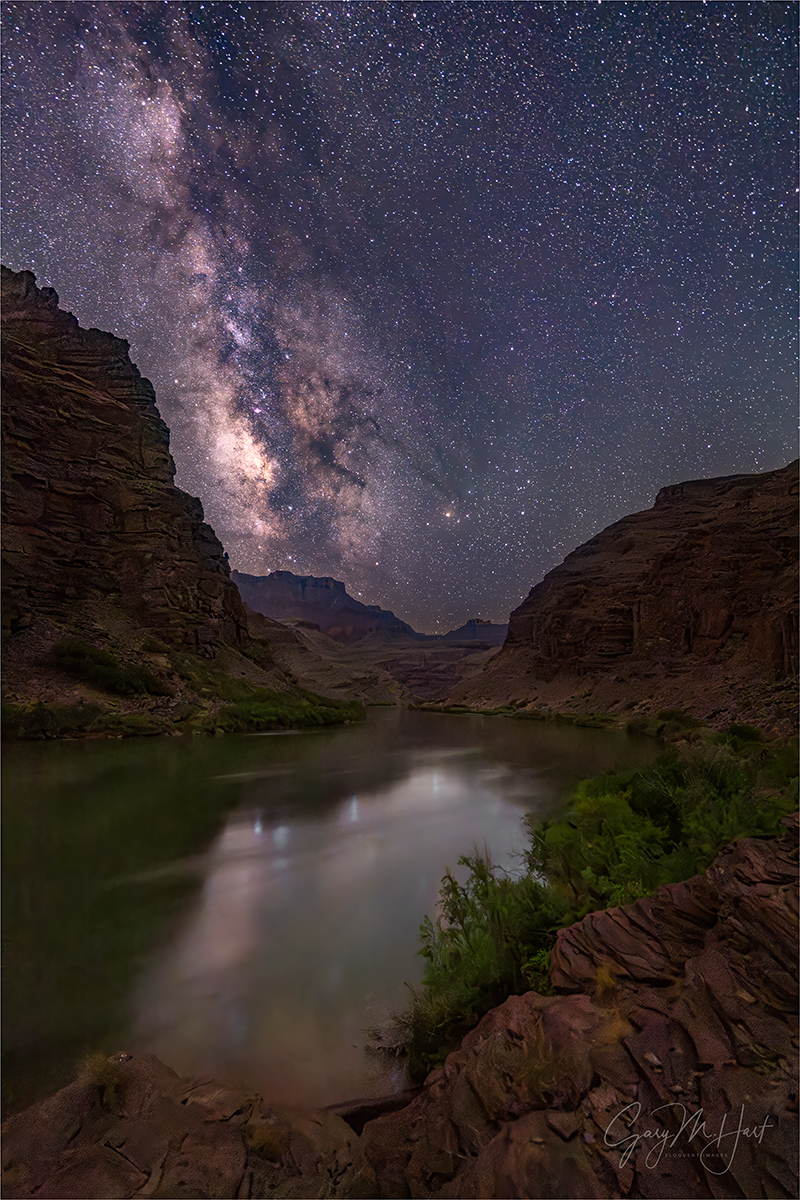
Milky Way Reflection, Colorado River, Grand Canyon
Sony α1
Sony 14mm f/1.8 GM
ISO 6400
f/1.8
20 seconds
There was nothing easy about this picture. Milky Way photography in general is a challenge, but trying it at the bottom of Grand Canyon is especially harrowing. In addition to the standard Milky Way photography difficulties, like insufficient light essential for composition and focus, any kind of night photography at the bottom of a mile-deep hole adds another level of dark.
In this extreme darkness, some locations are worse than others, and navigating to this one in particular was difficult enough to put it on the fringe of my safety comfort zone. Not only did getting here require a longer than usual walk on uneven and sometimes trailless (is that a word?) terrain, the last section was along a series of narrow ledges where a single misstep might result in a sudden plunge into the Colorado River. Oh, and as if all that wasn’t enough to test me, on the entire walk out here this night, I couldn’t push down the thought that the name of this particular camp is Rattlesnake.
But I was especially motivated to make this shoot work, because…
I knew before the trip started that this, my tenth Grand Canyon raft trip, would be my last one. Rafting Grand Canyon had been a bucket-list item for as long as I could remember, but when I scheduled my first trip way back in 2014, I had no plan to continue once it was it off my list. But, for many reasons, that initial experience so far exceeded expectations, I vowed to continue doing it until people stopped showing up. Fast forward nine more trips: turns out, I’m the person who will stop showing up…
Let me explain. The trip still fills, but not nearly as quickly as it did those first few years, when I already had a waiting list for the next year before the current year’s trip even pushed off. And with costs rising faster than I’ve been able increase the price (see slowing enrollment reference in the previous sentence), and understanding that I’m on the financial hook for a full trip whether or not it fills, somehow my Grand Canyon raft trip had become the most stress-inducing offering on my schedule. So, while I still love the whole rafting experience as much as ever, when I decided to pare a few workshops from that schedule, it seemed like ten (!) Grand Canyon raft trips was a nice round number to go out on.
But I will miss it. Between the sights, the rapids, the guides, and the fantastic people I got to share it all with, it’s pretty difficult to single out one thing I’ll miss most about rafting Grand Canyon. But hold a gun to my head, and I’d have to say it will be the night sky filled with more stars than I’ve ever seen, and so dark the Milky Way actually casts a shadow.
As desperately as I craved a good Milky Way experience (and when I say Milky Way, I refer specifically to our galactic core) on this farewell trip, I always go in knowing that, for many reasons, Milky Way success is far from a sure thing. Even though it’s always a priority, before this one, I’d had trips that had two nice Milky Way shoots, one nice Milky way shoot, and zero nice Milky Way shoots.
First obstacle is that, despite Grand Canyon’s typically clear skies, clouds do happen—I had two trips with so many clouds we never even saw the Milky Way. But even when the sky is clear every night, we still need a little luck to even see the galactic center because, from most campsites, the Colorado River’s general east/west orientation through the canyon puts views of the southern horizon (where the Milky Way hovers in May) behind the looming south wall. It helps that over the years I’ve been able to identify a handful of campsites that are either on the north/south trending Marble Canyon section of the canyon (where we spend our first two nights), or (more rarely) on a south-facing bend in the river. But they’re few and far between.
Since all Colorado River campsites in Grand Canyon are first-come, first-served, my trips can never count on getting one with a Milky Way view. And the Colorado River is unforgivingly one-way—if your first choice campsite is taken, there’s no way to return to that wide open second choice campsite you passed two miles back. This fact sometimes forces us to settle for whatever campsite is available. And with a schedule to maintain, even coming upon an empty ideally oriented campsite is of no value if we’re floating past it at 11 a.m. because we don’t have enough wiggle room in our schedule to lose a half day of rafting.
With all this in mind, at the start of each trip I powwow with the guides to explain (emphasize) my Milky Way and other photography priorities (for example, if it’s sunny, there are several key locations I only want to photograph in the full shade of early morning or late afternoon). We come up with the framework of a plan that by Day-2 is usually out the window, or at least is significantly renegotiated, as things invariably don’t go exactly as planned. And each plan change factors in downstream Milky Way possibilities.
The first thing I do after arriving at a new camp is check its Milky Way opportunities—specifically, I identify south and whether it’s behind a canyon wall (bad), or between the two walls (good). But even an open southern exposure isn’t enough—I know of at least one campsite with a great view of the southern sky, but it’s so overgrown along the river that all we get for a foreground is a bunch of scruffy shrubs. And my groups have also had several campsites where the only place to park the boats is smack in the middle of the only open view of the southern sky. So all the tumblers need to click into place for the Milky Way to work at the bottom of Grand Canyon.
If I determine that tonight’s campsite does have a good view of the Milky Way, at some point (usually at dinner) I give group the night’s Milky Way plan: where it will appear, when it will appear, and the best place to photograph it. I also give a basic Milky Way photography primer (focus, composition, and exposure tips), lecture them about the damage flashlights will do to everyone’s shots (especially red lights!), then make myself available for the inevitable, “Which lens…?,” “How do I get my camera to do…?” questions. By bedtime, most people who hope to photograph the Milky Way are ready (-ish). And of course they know where I’ll be set up if they have problems (but they’ll need to come me, because it’s too dark to safely move around to everyone).
All of my Grand Canyon night shoots are no-host: I tell people where I’ll be and roughly when I’ll be there. In May the earliest the Milky Way rises into view is around 1:30, but to avoid disturbing people who value their sleep more than I do, I never set an alarm because that might disturb those nearby who would rather sleep. Fortunately, I have no problem waking myself up at a specific time, give or take 15 minutes.
There are six nights on this trip. The way the trip usually unfolds, our best chances for the Milky Way are the first two nights, and (if we’re very lucky) the fourth night. On our first night of this trip, we ended up at a spot beneath a wall that blocked the lower half of the Milky Way, but the few of us went for it and did okay—but I knew we could do much better.
Not wanting to hang all our hopes on getting the very nice but difficult to secure campsite on night four, I felt very motivated to make the second night work. But as the afternoon wore on and we continued to encounter good campsites that were already taken, we just floated on. And there comes a point where you just have to take whatever is available so we can start the business of setting up camp and making dinner before it gets too dark. Which is why the guides were actually relieved as we floated up to Rattlesnake camp and found it open, Milky Way be damned. The first thing I did when we landed was pull out my phone and check the compass to find south, and as feared, the S-needle pointed right at a towering wall. Oh well…
But after setting up my campsite, I got my (iPhone) compass out and went exploring. My eye was on a bend in the river a few hundred yards downstream, and I wondered if it might bend far enough to the south to provide a view to the southern sky, and whether it was even possible to get down that far.
As I moved downstream, the route along the river got rockier, eventually turning into a series of sandstone ledges with a steep drop straight to the water. Each time it looked like I couldn’t go any farther downstream, I found a I found a route that got me a little farther. I was at least a quarter mile downstream before reaching a spot where I could go no farther without climbing. (A quarter mile doesn’t sound very far, but in total darkness and without a trail, it feels like forever.) Looking downstream, I saw that this vantage point still didn’t face due south as I’d hoped, but it did provide a clear view southwest. Hmmm—not ideal, but… maybe?
Checking (and re-checking) my astronomy app, I guessed (crossed my fingers) that we might have about a 45-minute window from the time the Milky Way rotated out from behind the canyon wall, until the sky started to brighten enough that we’d start losing essential contrast. And the longer I took in the entire view, the more I liked the river scene we’d be able to put with the Milky Way. If it worked.
Walking back, I took special note of the route, identifying distinctive rocks and shrubs I might be able to use as landmarks in the dark. At camp, I told my group what I’d found, and that the window of opportunity is very small (even the slightest miscalculation on my part could make a difference). I also warned the that the route out there, while only slightly treacherous in daylight, would be exponentially more-so in virtually total darkness. I also told them I’d be going for it. I finished by encouraging anyone even considering going out there in the dark to scout it and make a route plan now.
Before crawling into my sleeping bag, I got my camera and lens combo set up on my tripod and stood it next to my cot. The last thing I did before closing my eyes was set my mental alarm clock for 3 a.m.
I woke up a little before 3:00, grabbed my tripod, and made my way out. Because other people might be either shooting or sleeping, I try not to use any kind of flashlight or headlamp when walking around at night, but using only my cell phone screen to illuminate my next step, I didn’t really have much trouble finding the way, one step (as far as I could see) at time until I was there.
I was surprised and pleased to see how many people were already out there—on this trip I have a lot of non-photographers who join photographer friends and loved-ones, but I’d guess close to a third of the group was there already, and a few more joined shortly after I arrived. With no light, I poked around on the sandstone until my eyes to completely adjusted, and eventually edged my way out to the farthest ledge. Then I went to work.
I did my usual vertical (first) and horizontal composition mix, trying different ISO and shutter speed settings to give myself more processing options. I also moved around a little, eventually photographing from three different positions within about a 30-foot radius. From my first frame to my last was only 25 minutes, but by the time I’d finished, I knew I’d had a Milky Way success I so wanted on my final trip.


Hidden Treasures
Posted on January 8, 2026
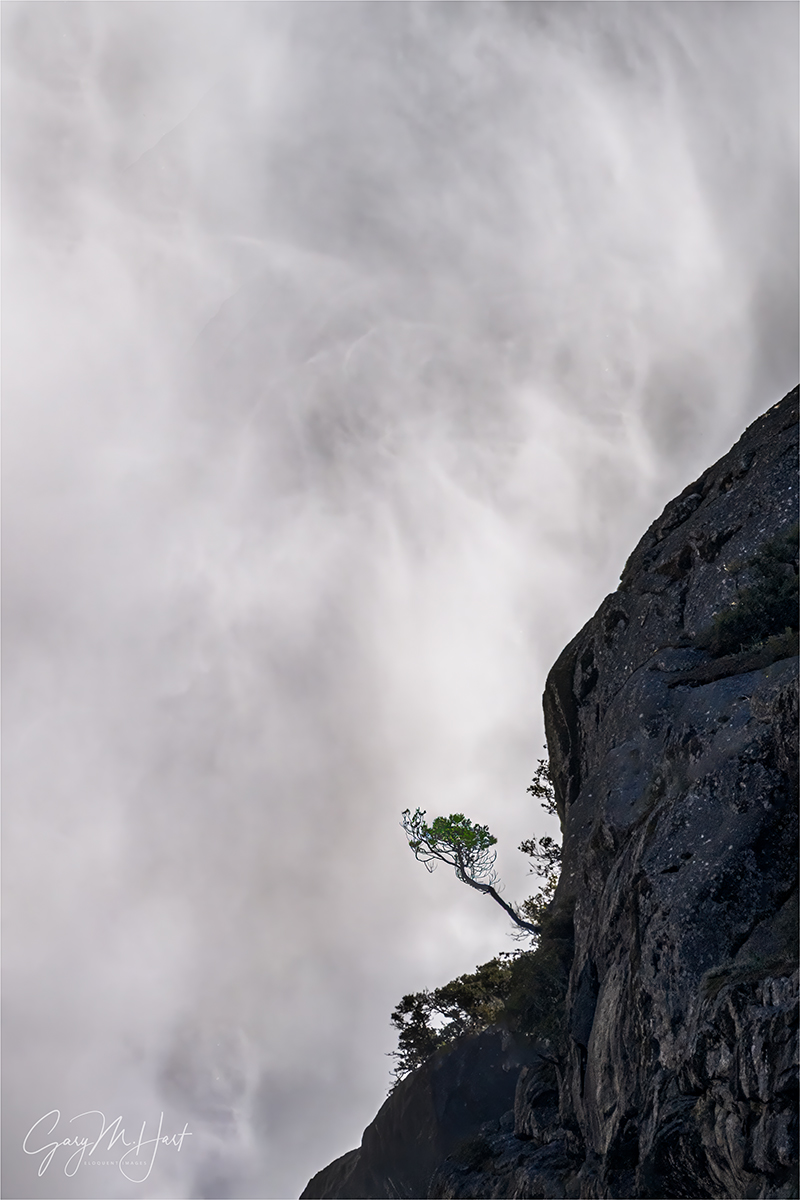
Clinging Tree, Upper Yosemite Fall, Yosemite
Sony a7R V
Sony 100-400 GM and 1.4X teleconverter (560mm)
ISO 800
f/11
1/1600 second
I’m aware that most of the images I share feature familiar subjects and eye-grabbing vistas that (justifiably) attract thousands of daily visitors and inspire millions of photographs—Nature’s celebrities. But that’s not a complete reflection of my personal photographic instincts. There are several reasons the subjects I share skew toward more acclaimed beauty: for example, the relatively close proximity of that beauty to my home in Northern California; and the obvious fact that I make my living leading photography workshops that I need to fill.
Though celebrated subjects are coveted by the vast majority of nature photographers, today I’d like to issue a shout-out to “ordinary” beauty that doesn’t jump out and grab the eye of everyone present (and doesn’t necessarily inspire people to sign up for workshops). I’m talking specifically about Nature’s hidden treasures that require the photographer to look closer and work harder to uncover. These little scenes may not garner the acclaim of their more spectacular counterparts, but I’ve come to realize that I’m never more content than I am when I photograph them.
Given Yosemite’s proximity, and the fact that I lead 4 to 6 Yosemite photo workshops each year, I probably spend more of my photography time there than anyplace else. But as the years click past, I find that I take my camera out in Yosemite far less than I once did—not because I find it less beautiful, or that I’ve tired of photographing it, but simply because it’s become harder and harder to find the unique scenes I covet. And of course when leading a workshop, my priority is never my own photography. I have to honor the fact that most of my workshop students want to photograph the beautiful Yosemite they’ve seen in pictures, not a leaf, or flower, or tree they could probably find at home.
That said, one of the points I emphasize to my students is trying to make the iconic shots that drew them their starting point, not their goal. So we spend a lot of time, both in the field and in the daily image reviews, on how to see and use the less obvious elements in a scene, with the goal of creating images that are uniquely their own. It’s a mindset that once established, starts becoming automatic.
To jumpstart that mindset, I have certain subtle features I point out at many of the locations I take my groups to—hidden treasures I’ve uncovered over the years that are potentially powerful but easily missed. One of my favorites is this little tree in front of Upper Yosemite Fall, only visible from a certain location on the trail to the bridge beneath Lower Yosemite Fall. It’s been on my radar for decades, though I rarely photograph it anymore. In fact, I hardly ever take my camera on my groups’ walks to Lower Yosemite Fall anymore. But in April of last year, with the fall booming and thin clouds diffusing the morning sunlight, I grabbed my camera bag with the sole purpose of shooting this tree again.
For me this is a telephoto shot, the longer the better. So on the walk back down from the bridge (where we photographed a rainbow at the base of Lower Yosemite Fall), I pulled out my 100-400 lens, added my 1.4X teleconverter, and went right to work. To avoid losing the tree against the dark, wet granite, the key here is waiting until the wind blows the water behind the tree. There was so much water on this spring morning that I rarely had to wait long.
I’m sure I clicked more than 50 frames, repositioning the tree from time to time in both horizontal and vertical orientation. Each time I recomposed, I shot at least a half dozen frames just to get different background water patterns—it’s amazing how much it changes from one second to the next. Pretty soon others in the group joined me, and it was fun watching them get excited about this anonymous little tree that’s so easily overlooked.
Of course the moral of this story is that there are hidden treasures like this everywhere, just waiting to be discovered—and hunting for them is half the fun.
Workshop Schedule || Purchase Prints || Instagram
Hidden Treasures
Click any image to scroll through the gallery LARGE (best viewed on a computer)


Looking Back at 2025: I Was There
Posted on December 30, 2025


Galleries are better viewed on a computer than a smartphone
One of my favorite things to do at year’s end is to look back at the images that made the departing year especially memorable. And each year, I think to myself, ‘Wow—this was probably my best year ever and there’s no way I’ll be able match that success next year.’ You’d think maybe I’d learn after more than two decades of saying the same thing at the end of each year that maybe my pessimism is unjustified, yet here I am wrapping up another year doubting that I’ll ever be able to top it….
The true reason I’m always irrationally exuberant about the most recent year is that I still love what I do as much as I did the day I started. (That is, a lot.) Both the sights, and the people I share them with. I often think in terms of “I was there” moments in my photography life: experiences in Nature that will be forever etched on my brain—not simply for visual component and the resulting images, but for the entire experience, from the anticipation or surprise (depending on whether I planned for the latest spectacle or not), to the people I enjoyed it with, to the euphoria that follows. That applies whether the sight was as rare as a total solar eclipse or dazzling comet, or simply a sunrise/sunset or lightning display that was so spectacular its memory supercedes all that preceded it.
Sometimes these “I was there” experiences are (more or less) predictable (like a rising moon, eclipse, or comet), other times they’re completely unexpected (like a vivid sunrise or rainbow). I don’t get one every year, and in fact they’re rare enough if I even get one in any given year, I consider it a win. In 2025, I had three (or more, depending on how I count them—read on for an explanation).
I’ve already had a couple of Iceland aurora displays that qualify, and I added another one in February. This year’s, in addition to rivaling the best aurora shows I’ve witnessed (for both color and intensity), was especially memorable because it was so unexpected. I blogged about it three times:
(To appreciate the expansive spread of the aurora that night, note that each of the featured images in these three posts was captured facing a different direction.)
Most recent was the Kilauea eruption in September. I’ve witnessed many Kilauea eruptions (some of which have made my “I was there” list), but none that compare to this one. I have three blog posts dedicated to this experience:
- Kilauea Eruption Episode 33, Part 1: So You’re Telling Me There’s a Chance… (this was actually a precursor event leading up to the main eruption)
- Kilauea Eruption Episode 33, Part 2: Grand Finale
- A Moving Experience
But the “I was there” experience that stands out most, not just for 2025 but for my entire life, is my storm chasing trip in June. Even though here I’ve lumped the entire storm chasing experience into a single qualifying event, I could just as easily break it into multiple days—at least two, with several others coming close as well. The two most significant days of that trip are what everyone in the group started calling simply, “the tornado day,” and then “the supercell” day a couple of days later.
Our tornado day was notable for me less for the photography and more because I got to check off a lifelong bucket list item: See a tornado. Our supercell day may have included the single most photographically productive two hours of my life. Check it out:


Here are the seven blog posts I wrote dedicated to this trip:
- Storm Chasing Diary: Hit the Ground Running
- Storm Chasing Diary: My First Tornado
- Storm Chasing Diary: “Large Cloud in the Sky”
- Storm Chasing Diary: Safety, Schmafety
- Storm Chasing Diary: More Tornadoes
- Storm Chasing Diary: Lucky Strike
- Storm Chasing Diary: Saving the Best For Last
I’m afraid that breaking the year down into a series of grand “I was there” events risks minimizing the other beautiful sights I got to witness. Yosemite, New Zealand, Grand Canyon, the Eastern Sierra, and the Tetons were all the best versions of their spectacular selves, as you can see for yourself in the gallery below. Because I resist ranking my images, or picking specific favorites, I’m sharing them here in random order. I hope you take the time to review the gallery, and please feel free to share with me the one (or ones) you like most.
Now, on to 2026….
Workshop Schedule || Purchase Prints || Instagram
(It has come to my attention that my galleries don’t display well on some smartphones—I’m looking into this, but in the meantime I strongly recommend viewing them on a computer.)
2025 Highlights
Click any image to scroll through the gallery LARGE


Night Vision
Posted on December 26, 2025
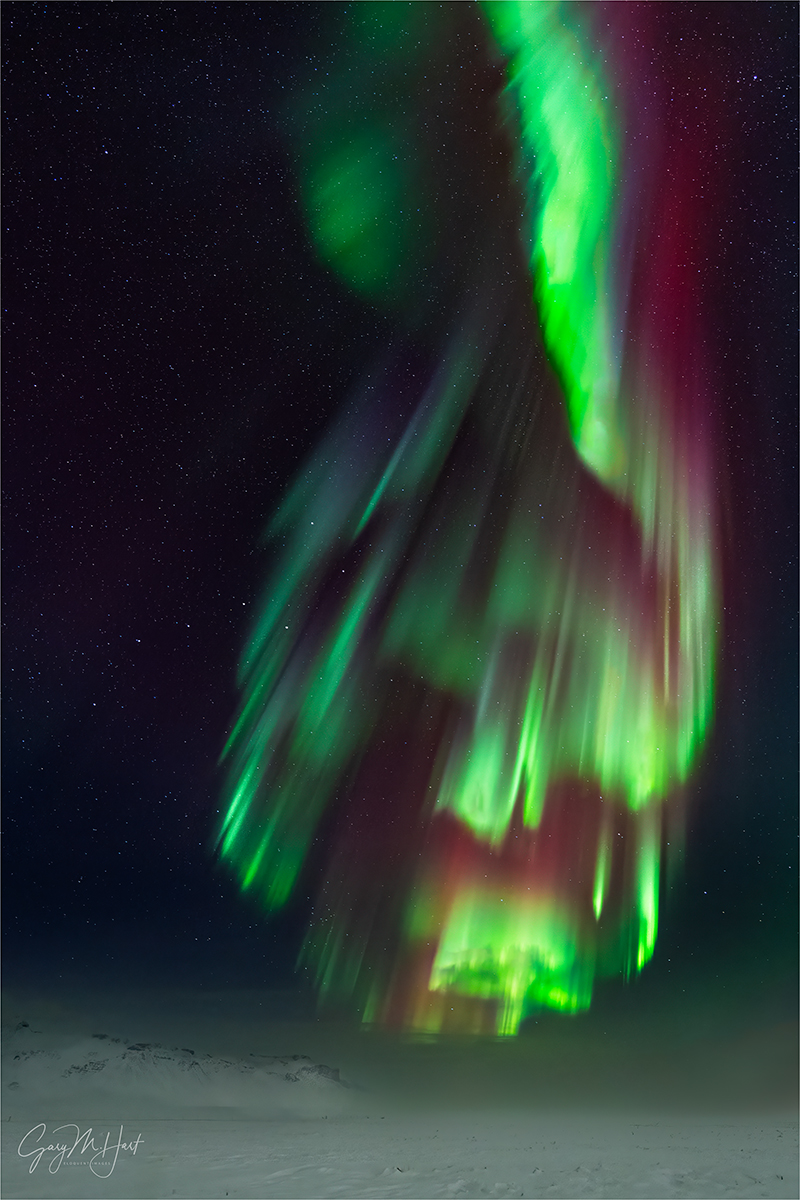
Looking North, Aurora and Big Dipper, Snaefellsnes Peninsula, Iceland
Sony α1
Sony 14mm f/1.8 GM
ISO 3200
f/1.8
4 seconds
When it comes to natural beauty, I’ll be the first to admit that there is nothing like being there. In person we get to enjoy all the movement and simultaneous multi-sensory input that’s lost in a still image—not to mention the synergistic amplification of awe and joy that comes with witnessing a special event with others. But let’s pause for a moment to appreciate what a camera brings to those experiences—more than just the way a camera freezes our a memory in time, a camera actually reveals aspects of the natural world that our eyes can’t see.
This advantage is particularly significant when the sun is down and our eyes struggle to wring photons from the darkness. Though the light capturing capability of the human eye is superior, our eyes have to start over with the passing each (infinitesimal) instant. A digital sensor accumulates incoming photons for whatever duration we choose, allowing exposures of just a few seconds to reveal a night sky brimming with more stars than we imagined possible—the longer the exposure, the more stars we see.
Perhaps even more powerful than unveiling hidden stars, a also camera reveals color that, while unseen by our eyes, is nevertheless very real. The human eye functions through a collaboration of two kinds of photoreceptors: rods and cones. In daylight, the cones do a wonderful job resolving our world’s exquisite detail and vivid color, pulling this visual information from a scene’s darkest shadows and brightest highlights much better than a digital sensor can. The cost of our cones’ efficiency is that they require lots of light to function at their best.

Milky Way Reflection, Colorado River, Grand Canyon
But things change in the dark. Evolution has determined that at night, job-one for our eyes is keeping us safe from obstacles and predators, giving our vision a strong bias toward detecting shape and movement. To achieve this, the bulk of the light gathering job is turned over to our eyes’ rods, which require very few photons to detect essential contrast and motion, but are blind to the color and detail our light-thirsty cones see. So, even in night’s feeble light, humans are able to avoid shapes well enough to navigate, and to detect pouncing predators, but we’re denied the night sky’s exquisite color and detail.
A digital sensor, on the other hand, is an equal opportunity light collector, capturing the color and detail our eyes miss—when given enough time. To the unaided eye on a dark night, the center of the Milky Way is a distinct but still faint cloud of light. But in the right hands (metaphorically speaking—you’ll need a tripod), a camera reveals magnificent color woven into meandering bands of star-sprinkled dust forming our galaxy’s core. Following the hazy glow away from the core reveals that a dimmer band of the Milky Way stretching from horizon to horizon.

Comet Tsuchinshan–ATLAS and Mt. Whitney, Alabama Hills, California
And it’s not just more stars that a camera pulls out. A naked-eye comet, while undeniably beautiful to behold, enters an entirely new dimension of beauty in a camera: it brightens, the tail doubles or triples in length, and sometime bluish ion tail emerges from the darkness.
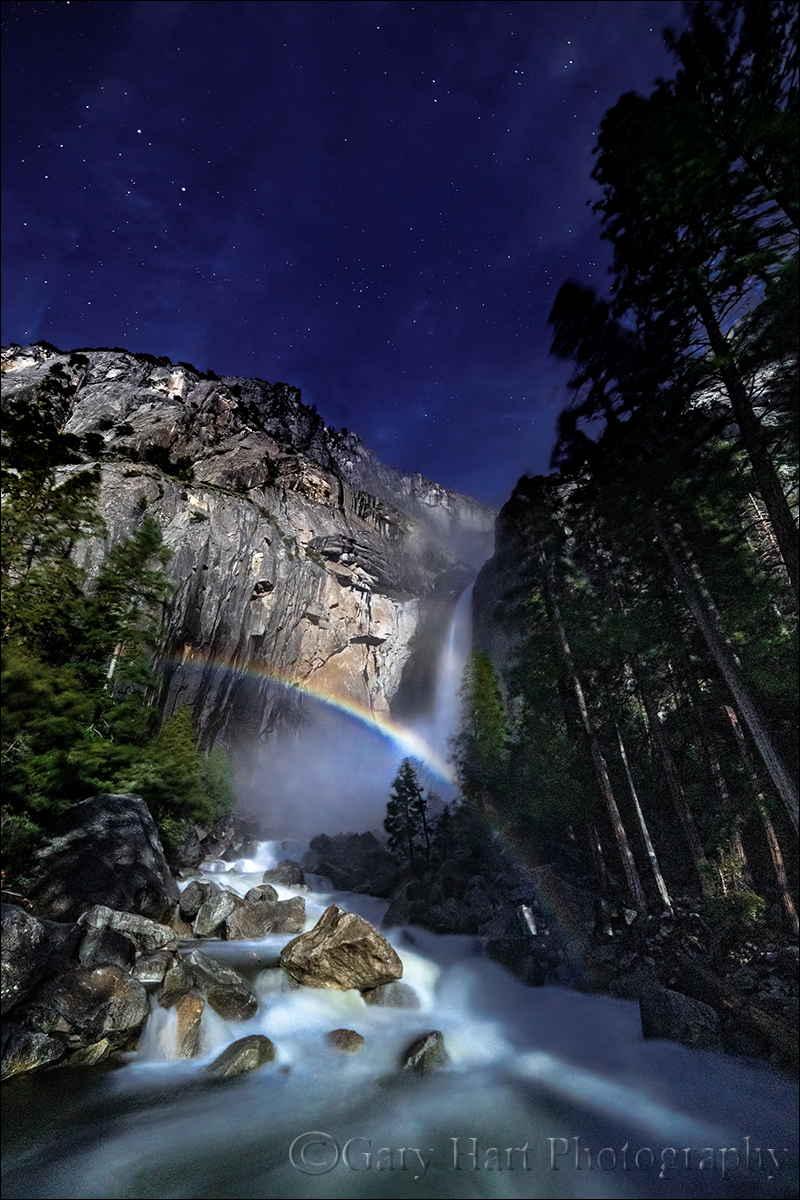
Moonbow, Lower Yosemite Fall, Yosemite
One of the best examples of the camera’s color rendering superiority is a moonbow, a lunar rainbow that appears to our eyes as a shimmering silver band when rain or mist at the base of a waterfall is illuminated by the light of a full moon. Captured by a camera, using a long exposure, this monochrome band transforms into an arcing prism in living color.
And then there’s an aurora, a kinetic display of multi-color shafts and sheets that is arguably the most beautiful natural sight Nature delivers. Without denying the fact that no camera can match the experience of witnessing a dancing aurora with your own eyes, a camera exposes color that enhances the aurora magic even more.
I am extremely grateful for the many opportunities I’ve had to simultaneously view and photograph an active aurora. My most recent aurora experience was the show Don Smith and I shared with our Iceland workshop group in February. We were settled in at our remote hotel in an uninhabited region of the Snaefellsnes Peninsula in Iceland, but a forecast of cloudy skies and minimal aurora activity had sent everyone to their rooms shortly after dinner. But just a couple of hours later, the group WhatsApp thread lit up with messages from a couple of participants who had briefly ventured out front and saw northern lights.
Skeptical, I nevertheless armored up with winter wear and grabbed my camera bag and hustled out the front door. Crossing the road to where a few in our group had already set up I glanced skyward expecting no more than a faint glow near the horizon, but stared in disbelief at the display overhead. After grabbing a spot (in two feet of snow) along the fence paralleling the road, I quickly set up, then stepped back from my camera to take attendance.
With each shape bundled against the cold and pretty much anonymous in the moonless darkness, and a handful other hotel guests mixed in, it took a while to determine who was present and who was missing. Once I sorted that out, after a few text messages and phone calls I was (relatively) confident everyone had been notified (turns out we missed one person who I thought was out there with us) and got down to serious picture taking business. Soon as the display intensified, and the giddiness that had initially engulfed us all gave way to quiet awe, broken only by the frequent click of shutters.
In a good aurora display, it is possible to see some color with your eyes, but whatever amount of color your eyes pick up, your camera will see more. All of the color our eyes saw this night was faint green, but my camera revealed a good mix of red with the green—all far more vivid.
I’ve witnessed enough auroras to have an idea of what the cameras of our group’s first-timers were adding to their experience. While the awe of an aurora never goes away, the first-time viewers had the added thrill of realizing the actual color their eyes couldn’t see, and looking skyward knowing the color in their camera was really there. It wasn’t just our images’ color our eyes—even our cameras’ live-view display showed much more color.
Most of my images were targeted northwest and directly across a snowy field toward the most prominent mountains, but when a spiraling, multi-layered shaft shot skyward to my right, I switched my camera to vertical and pointed more due north. In my very first frame the Big Dipper jumped out at me, and I decided to compose my next frame to make it and the North Star (the brightest star in the upper left) a more prominent part of my image.
This turned out to be one of the best aurora displays I’ve ever seen, not just for its brightness and color, but also for its motion and range, at various times coloring the sky north, east, and west. It was like looking up from inside a lava lamp, watching the glowing shapes twist and fold on themselves in all directions. Just one more reminder of the blessings Nature bestows, and my good fortune to witness them.
Join Don and Me for This Year’s Iceland Aurora Workshop
Workshop Schedule || Purchase Prints || Instagram
Night Vision
Click any image to scroll through the gallery LARGE
-

- Aurora Reflection, Glacier Lagoon, Iceland
-

- Heaven Sent, Comet Tsuchinshan–ATLAS Above the Sierra Crest, Alabama Hills
-

- New Zealand Night, Milky Way Over Tasman Lake
-
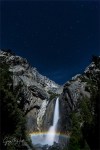
- Moonbow and Big Dipper, Lower Yosemite Fall, Yosemite
-
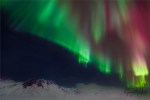
- Night Lights, Snaefellsnes Peninsula, Iceland
-
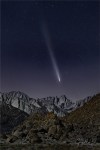
- Night Moves, Comet Tsuchinshan–ATLAS and Mt. Whitney, Alabama Hills
-
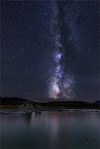
- Milky Way Reflection, South Tufa, Mono Lake
-

- Nature’s Light Show, Aurora Over Dyrhólaey Coast, Iceland
-
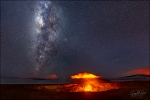
- Glow, Milky Way Above Kilauea, Hawaii
-
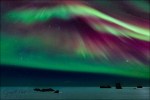
- Wings of Angels, Aurora Above Dyrhólaey, Iceland
-
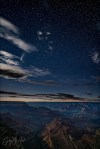
- Comet NEOWISE and the Big Dipper, Grandview Point, Grand Canyon
-

- Green Curtain, Kirkjufell Aurora, Iceland
-

- Aurora Streaks, Glacier Lagoon, Iceland
-

- Comet PanSTARRS and New Moon, Haleakala, Maui
-

- Silent Night, Milky Way Above Lake Wakatipu, New Zealand
-

- The Green Night, Aurora Above Kirkjufell, Iceland
-

- Milky Way and Small Magellanic Cloud, Lake Wakatipu, New Zealand
-
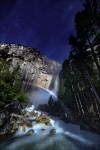
- Moonbow, Lower Yosemite Fall, Yosemite
-

- Milky Way Reflection, Colorado River, Grand Canyon
-

- Swoosh, Northern Lights Over Kirkjufell, Iceland
-
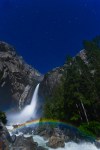
- Moonbow and Big Dipper, Lower Yosemite Fall, Yosemite
-

- Neon Night, Aurora and Glacier Lagoon, Iceland
-
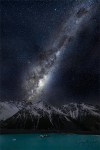
- Star Spangled Night, Milky Way and Tasman Lake, New Zealand
-

- Yosemite Dawn, Comet Neowise and Venus from Glacier Point, Yosemite
-

- Celestial Reflection, Milky Way Over the Colorado River, Grand Canyon
-
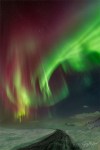
- Follow the Lights, Snaefellsnes Peninsula, Iceland
-

- Dark Night, Milky Way Above the Colorado River, Grand Canyon
-

- Northern Lights, Kirkjufell, Iceland
-

- Winter Night, Milky Way Above Tasman Lake, New Zealand
-
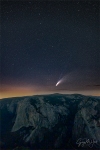
- Neowise and the Big Dipper Above El Capitan, Taft Point, Yosemite
-
- Northern Lights Reflection, Aurora and Glacier Lagoon, Iceland
-

- Fire on High, Kilauea and Milky Way, Hawaii
-
- Looking North, Aurora and Big Dipper, Snaefellsnes Peninsula, Iceland
-

- Stairway to Heaven, Milky Way Over the Puna Coast, Hawaii
-

- Comet Tsuchinshan–ATLAS and Mt. Whitney, Alabama Hills, California
A Moving Experience
Posted on December 18, 2025

Fire on High, Kilauea Eruption 33, Hawaii
Sony α1
Sony 16-35 GM II
1/50 seconds
F/8
ISO 200
I’ve been photographing Kilauea’s eruptions, in many forms, for 15 years, but never anything close to the spectacular display my workshop group and I witnessed in September. It wouldn’t be hyperbole to say that this was one of the most memorable experiences of my life. (I’ve said that about Kilauea eruptions before, but each time I say it, Kilauea seems to say, “Oh yeah? Hold my Mai Tai.”)
As a photographer who obsesses about controlling every pixel in my frame, and who (semi-) jokingly asserts that I don’t photograph anything that moves, there was a lot going on atop Kilauea this morning. Anybody up there with a camera could have snapped a few frames and captured something worthy of sharing, but whether it’s a vivid sunset, dancing aurora, or fountaining lava, serious photographers need to separate themselves from the “anybodys” and pay attention to the little things easily overlooked in the thrill of the moment. This morning on Kilauea, with an obvious focal point and empty foreground, the biggest (and most easily overlooked) challenge was the constant motion in the scene.
Let’s review: Photography is the futile attempt to convey a dynamic world using a static medium. Though that’s literally impossible, what is possible is conveying the illusion of motion—that is, capturing the scene in a way that enables viewers to infer its motion. Finding the shutter speed that freezes a moving subject in place or renders it with some degree of motion blur, while getting the light perfect, is a basic photography skill that simply requires mastery of the three exposure variables.
Motion in a landscape image can take many forms, some easier to address than others. Though waterfalls and whitewater rapids may move fast, at least they stay in one place while the water moves within. But other natural subjects move more unpredictably. Lightning, for example, comes and goes so suddenly, I never even consider using my own reflex/reaction skills to freeze its transient existence—I simply connect my Lightning Trigger, aim my camera, and wait for my trigger and camera to do the work. Ocean waves, while less organized than whitewater, are at least predictable enough to anticipate and time—that said, I generally prefer to simply shoot a series of wave images with varied timing and motion effects, then pick my favorite later.
Somewhere between lightning and waves on the predictable/random continuum are atmospheric phenomena like the northern lights, and regular old clouds. Though they’re in constant (seemingly) random motion, that motion is usually more my speed—slow enough to anticipate and adjust my composition and exposure without feeling too rushed.
But it’s not just about how you render the motion—another complicating factor is paying attention to subjects that don’t stay put: a composition that was perfect seconds ago could be completely out of whack right now. Which happens to be the biggest challenge this memorable morning in Hawaii.
Now might be a good time to mention that part of my desire to control my entire frame makes me especially obsessive about both the borders of my images, as well as the relationships of the elements in my frame that draw the eye. That means trying to avoid cutting strong elements on the edges of my frame, creating a sense of connection and balance between strong visual elements, and avoiding (or minimizing) visual elements that compete with my subject or subjects. So when my subjects are in motion, as they were on Kilauea this morning, I need to monitor and adjust continuously.
Arriving with my workshop group several hours before sunrise, the total darkness meant I only had to contend with 800-foot explosive lava fountains and the lava rivers surrounded by a sea of black. The lava fountains, while exploding violently and pretty much non-stop, were far enough away that they seemed to be moving in slow motion. The lava rivers, though constantly ebbing, flowing, and changing course, moved slowly enough to be relatively manageable too.

Fountain of Fire, Kilauea Eruption, Hawaii
My goal was to freeze the lava’s motion in place, and soon I settled on a shutter speed I was confident would do that even at my longest focal length. With the unchanging light (dark) and a shutter speed I knew was fine, it wasn’t long before I found a rhythm, complementing compositions centered on the “stationary” lava fountain (the lava was moving, but the fountain stayed in one place) with the current position of the flowing lava rivers, then timing my shutter click for when the latest fountain peaked or spread most dramatically. I worked this way for a couple of hours, mostly using my 100-400 and 1.4X teleconverter, zooming in and out and switching between horizontal and vertical compositions.
Things changed when sunrise started painting the sky pink and revealing a previously unseen plume of billowing smoke, vapor, and tephra. Suddenly, my priorities switched to wide angle to capture all the additional beauty brought by the increasing light. And just as suddenly, I had to adjust the compositional imperatives underlying my prior rhythm, now factoring into the mix the wind-whipped smoky plume tower that expanded and shifted by the second, the pink clouds, and even new detail on the caldera floor. And with the rapidly brightening sky, an exposure that worked 30 seconds ago, now blew out the sunlit highlights. Not only that, I knew the plume’s gorgeous warm light was peaking and would only last for another minute or two, further ratcheting up my urgency.
Switching to my 16-35 lens, I framed up a completely new composition and adjusted to a new combination of motion considerations. In this case, including the lava and rising plume were no-brainers, but the goal should be more than simply taking a picture that includes both—everything needs to work together to create something that stands out from the thousands of other images captured at the caldera that morning.
Managing all of a scene’s moving parts is what good photographers are supposed to do. That said, I notice—both in my workshops and online—that many photographers seem so focused on their scene’s one or two most prominent features that they lose track of still important secondary and tertiary elements. And when one or more of those less essential elements is moving, for example waves or clouds, their new position is easily overlooked, leading to random and often less than ideal results.
In this case, while keeping an eye on the active lava as I’d done all morning, I suddenly also needed to keep track of an expanding smoke plume that was in constant motion, illuminated by ever-changing sunlight. While not especially difficult if you’re paying attention, this doesn’t just happen automatically (and I have the pictures to prove it).
Keeping my borders as clean as possible became a prime concern, so I kept a constant eye on the shifting smoke plume to avoid cutting it off. On the left and top I just needed to keep the plume off the borders of my frame; since the wind had stretched the smoke far beyond any reasonable frame on the right side, I also needed to find the best place to cut that side with the right border. And as with my rapidly changing exposure, a composition that worked one second might need to be completely adjusted the next.
I tried to go just wide enough on the right to include all of the main (and most dramatic!) vertical section of the sunlit plume, and on the right went just a little wider than that to include that one small splash light—any farther right would have shrunk my subjects while adding nothing more than a homogenous horizontal band of brownish-gray smoke.
The result of all these machinations is this wide vertical frame that includes the fountaining and flowing lava that was the star of the show that morning, plus all of the sunlit portion of the beautiful smoke plume. Accomplishing this was not rocket science, and I’m not pretending to be special for achieving it. But I do think photographers often fall down when they get so caught up in the majesty of the moment that they fail to take that one extra step to account for the scene’s motion, and the importance of those subtle changes from one frame to the next.
Workshop Schedule || Purchase Prints || Instagram
World in Motion
Click any image to scroll through the gallery LARGE


A Diamond in the Surf
Posted on December 11, 2025
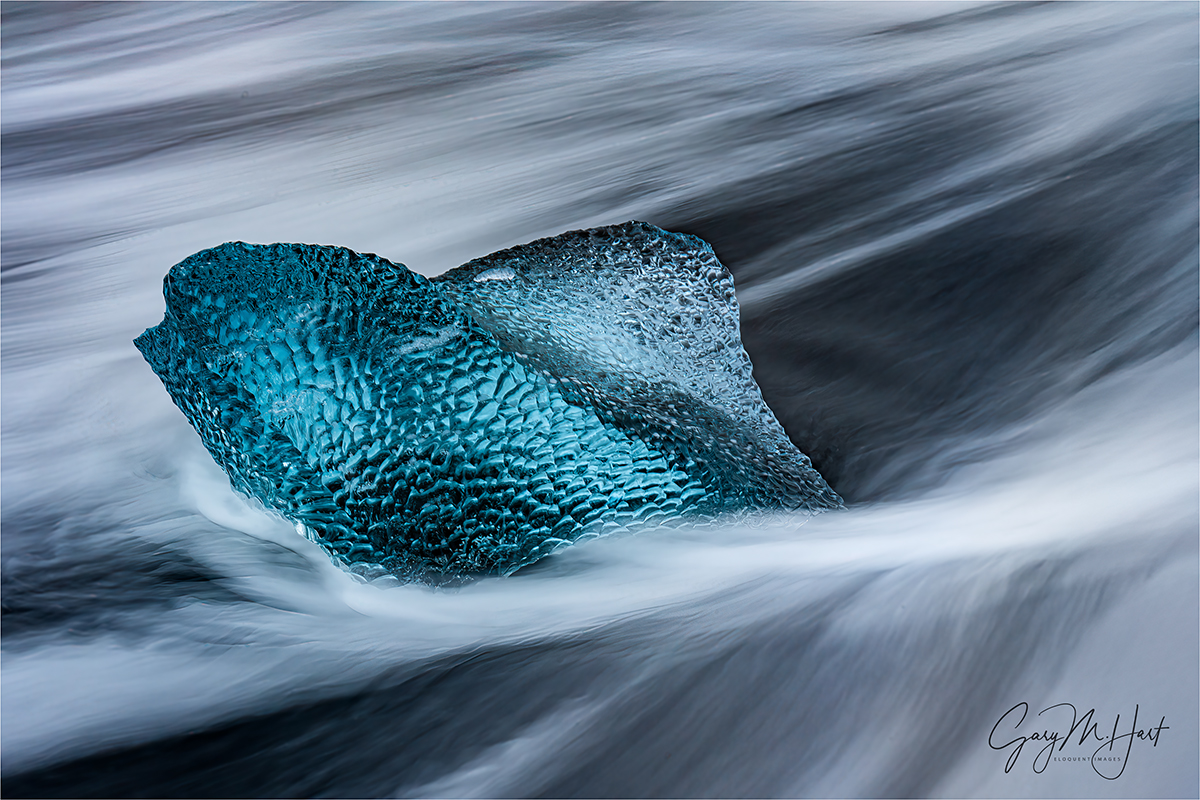
Flow, Diamond Beach, Iceland
Sony a7R V
Sony 24-105 G
2 1/2 seconds
F/16
ISO 400
With a break in my workshop schedule (and to prepare for my upcoming 2025 Highlights post), I’m working hard to catch up on this year’s unprocessed images. Moving more or less chronologically, I’m really having a blast—such a blast that balancing this processing with family Holiday priorities and the endless demands of running a business, my weekly blog schedule has slipped a bit. But be patient, because I’m pretty excited about some of the images I have queued up to share, and am hoping I can crank out the blog posts to do them justice….
In addition to finding new images to get excited about, I never tire of revisiting locations (in general) and specific shoots (in particular) through my raw images. For example, returning to Iceland and remembering the sights and people Don Smith and I shared it all with really has me itching for our return in March. This year’s highlight was probably our exceptional and unexpected(!) Iceland northern lights experience on the workshop’s second night, a display that fostered a group-wide buzz that persisted throughout the workshop. So of course as soon as I returned home, I went straight to work processing those aurora images, then moved on to a handful of other new Iceland locations that had excited me, before my Yosemite winter workshop force me to focus on other priorities. After all that, Diamond Beach was just one of many Iceland locations that remained unprocessed, shrinking in my memory to the point where my first thought upon revisiting them was, Oh yeah…
Diamond beach is a long stretch of black sand spanning Glacier Lagoon’s narrow outlet to the Atlantic. As spectacular as all that black sand is, given the island’s volcanic origins, it’s simply standard equipment the Iceland coast. But garnish that black sand with large chunks of translucent blue ice, then stir it all up every few seconds with vigorous surf, and you have the recipe for a special visual treat.
The Diamond Beach ice you photograph today could very well be the Glacier Lagoon ice you photographed yesterday. Its origins are Jokulsarlon Glacier, which drains into Glacier Lagoon year-round. When conditions are right, in addition to continuous runoff, much larger ice chunks calve from the glacier and bob across the lagoon, slowly melting as they go. Eventually these icebergs have shrunk enough to fit into the channel that splits Diamond Beach as it drains into the ocean (each time we visit, we eyeball the beach from the highway and decide whether we want to be east or west of the channel). Once the ice makes it out to the sea, tides and active surf push it up onto the beach.
The prime goal at Diamond Beach is capturing motion blur in waving wash around the ice. I can tell you from experience that this is much easier said than done (and I have the images to prove it), because many variables need to align for success.
For starters, the light needs to be right. Ideal is the soft light beneath clouds or twilight, anabling the multi-second exposures these sweeping wave shots require (a neutral density filter can enable these shots in sunlight, but I’m not crazy about mixing harsh light with soft water). By arriving at Diamond Beach well before sunrise, even when the sky is clear we enjoy a half hour or more of gentle light before the sun arrives. (Another great thing about sunrise at Diamond Beach is that there aren’t a ton of tourists yet—it’s definitely far from empty, but once the tourists start swarming, photography becomes much more difficult.) When the sun comes out, I usually forgo the blurred water in favor of sunstar images that feature beautifully backlit ice. And if we’re lucky enough to get overcast, we can spend the entire morning making the intimate ice and flowing surf images everyone covets.
But even when the light is perfect, Diamond Beach can be a challenge. At the risk of stating the obvious, without ice, it’s just another beach (Diamond Beach without “diamonds” is just Beach), and the amount of ice varies a lot from year-to-year. Sometimes there’s hardly an ice cube to be seen. Other times, high tide and big waves have pushed all the ice to a high-and-dry, elevated flat platform just above the beach. One year we (the trip leaders) had to lug a few chunks from up there down to the surf just so our group had a chance to photograph ice with waves.
And ample ice on the beach by itself still isn’t enough when the tide’s and the waves don’t reach the ice. This is why I used to hope for high tide at Diamond Beach, the higher the better—that is, until one January morning when we arrived at high tide and found the surf so big and violent that we didn’t dare venture anywhere near the water. Instead, not wishing to be swept into the frigid North Atlantic, the group set up at an elevated “safe” vantage point and used moderate telephoto lenses (like a 24-105 or 70-200), only to be forced to completely reset our understanding of the term “rogue wave.”
And just when I believed I’d run out of obstacles to hinder the shot at Diamond Beach, our bus hit a reindeer on the way to our sunrise shoot, forcing us to turn around and limp back to the hotel (though we did make it for sunset that evening). So yeah, lots of stars need to align for Diamond Beach success.
But honestly, I’ve been shooting here long enough to know that there’s no substitute for just plain experience. Simply getting shots of ice and blurred water isn’t that hard, but finding the right ice subject, framing it perfectly, choosing the ideal shutter speed for the desired motion effect, timing the shutter-click for the best flow pattern around the ice, and avoiding wave-induced motion blur in the ice, is all a lot of balls to keep in the air simultaneously. Oh yeah—try keeping all those photography balls airborne while keeping one eye on aggressive and relentless surf that can soak you and your gear with little warning. Fortunately, as with most things, this all gets easier with each attempt.
This year, after more than a dozen Diamond Beach visits, reviewing my images, I remembered feelings of finally being in control and working proactively (instead of reacting and trying to adjust to continual failures) out there returned.
Because Diamond Beach stretches quite some distance, a workshop group becomes quite spread out almost immediately. So on the drive to the beach before each visit, Don and I share our own experience-based insights and answer questions while we’re all still together. While there’s no substitute for firsthand experience, this little jump-start does seem to increase the group’s success rate. This year’s mini training session continued as everyone bundled up and prepared for their assault on the beach, but pretty soon the bus was empty and I started getting myself ready (a rather time consuming process in Iceland in winter). I intentionally took my time so I could be the last one out there, slowly advancing along the beach and checking on everyone as I went. (Don and I don’t stick together out there, but I know he does the same thing.)
At the beach it was instantly clear that we had plenty of ice, the tide was high enough, and the surf just about right. For the first hour or so, between students I stopped to fire off a frame or two a handful of times, but my prime focus was making sure everyone was doing okay. Once satisfied that people we comfortable with what they were doing and content with what they’d found, I got a little more serious about finding subjects of my own. Even though I’d taken very few pictures to that point, the overcast sky gave me confidence that I had plenty of quality time remaining.
With ideal conditions like this, I look for ice that’s planted firmly in the sand, but close enough to the water for waves to reach it from time to time. Too far inland and there’s no water around the ice to blur; too far into the surf and the ice doesn’t stay put through an exposure.
In size terms we can all relate to, most of the ice we photograph tends to range from small microwave oven to full-size refrigerator—much smaller that and they move around too much; much larger and they can’t make it in close enough.
The mini-iceberg I share today was a little smaller than a small coffee table—not huge, but enough mass to resist shifting or rocking with the slightest wave pressure. After identifying it as a potential subject, I circled (not completely—I’d never put my back to the ocean) until I found the perspective I liked best, set up my tripod 20 or so feet away, trained my 24-105 lens on it, then framed up a composition. I found the exposure-setting combination that gave me a good histogram with ample depth of field at a shutter speed around 2 seconds (sometimes a little long, sometimes a little shorter). Then I stood and waited for the waves to arrive.
In the simplest possible terms, there are two opportunities when photographing waves sweeping around fixed ice: washing in, and washing back out. I usually prefer waiting until a wave is on its way out—not only does this provide a better (in my opinion) motion effect, the water has a little less force, making it less likely to introduce any motion blur in my subject. And after years of trying this, I’ve decided that exposures in the 1 – 3 second range seem to work best.
But anything with moving water is never a one-and-done thing. After each click I check the image on my LCD to identify motion effect and its timing, then do my best to avoid the effects I don’t like, and duplicate the effects I do like. I almost always, as I did with this subject, take at least a dozen shots (unless waves sweep my subject away, always a possibility). Every single frame is different, but it’s better to have too many choices than not enough. On the other hand (and this is a particular problem for me), unless I’m waiting for specific event (like a wave of a certain size or direction), I have to remind myself not to lock in on one subject so long that I miss out on opportunities elsewhere.
The image I chose to process and share today is of a wave on its way back out. And though almost a year later I have no specific memory of its capture, I can tell by the time of its capture (after sunrise) and my exposure settings that I used my Breakthrough 6-stop dark polarizer to enable the longer shutter speed necessary for wave effect I sought—in this case, 2 1/2 seconds.
As this image makes abundantly clear, perhaps the most striking feature of glacial ice is its not-so-subtle blue. Contrary to popular opinion, this blueness is not reflected color from the sky (the sky this morning was cloud-gray), it’s a quality of the ice’s glacial origins. If you paid attention during high school (or earlier?) science class, you know glaciers form from snow accumulated over hundreds or thousands of years. While air trapped in fallen snow makes it opaque, subjecting this snow to centuries of pressure from the accumulated weight above compresses it and forces out virtually all the air, leaving nothing but translucent ice crystals. This glacial ice is so dense, it absorbs all but the shortest wavelengths of visible light that enter. The only wavelengths not absorbed are the blue ones, which instead are scattered back to our eyes: blue ice. (Of course as you can see in some pictures in my Diamond Beach gallery below, ice infused with direct sunlight will take on the sun’s yellow/gold hue).
Diamonds in the Surf


Plot Twist
Posted on December 2, 2025

Afloat, Leaves on the Merced River, Yosemite
Canon EOS-1Ds Mark II
Canon 100-400 f/4 USM
1/5 second
F/9
ISO 400
One overcast autumn evening in Yosemite, I wandered an isolated trail on the bank of the Merced River with my 100-400 lens, searching for intimate scenes to isolate. Spotting an assortment of colorful leaves clinging to a beautifully textured log, an opportunity materialized in my mind. Though my eyes could see the log and leaves mingling with a reflection of overhanging branches and yellow trees lining the far riverbank, a simple twist of my polarizer erased the reflections and darkened the water. As my eyes adjusted to the change, submerged branches and rocks appeared where the reflection had been. Though more subtle than the reflection, I still found these new elements distracting, but also knew that slightly underexposing the scene would be enough to blacken the water, completely eliminating these distractions and make an image that was entirely about the log and clinging leaves.
As I evaluated the scene and tried a few compositions, a leaf floated by just beyond the log and I realized that by timing my exposure just right, I could separate the next drifting leaf from the log, making it appear suspended in an inky void. So, once I was satisfied with my composition, instead of clicking a nice little image of the scene moving on, I parked myself and waited for that perfectly shaped leaf to enhance my image. And waited. And waited….
During my workshops I enjoy observing my students in the field, the things that draw them and way each brings his or her own personality to the act of creating an image. I could go on and on about any of these differences, but this experience really underscores a particular aspect of my approach, so (since this is my blog) I thought I’d pause my story briefly to write about that. (Read to the end for a plot twist.)
Anyone who has ever photographed with me knows how deliberate I am in the field. It starts with a large measure of calculation, often starting long before I arrive, then scrutinizing the scene upon my arrival to determine the elements that draw the eye, what to include and exclude, and identifying the various ways to do that. When I finally get all those pieces assembled in my brain, I’ll wait as long as it takes (or at least for as long as I have) for the conditions to be perfect, evaluating and refining my composition as I wait. Many (charitably) label this “patience,” though it may include a significant component of stubbornness a well: “I’m not leaving here until I get exactly what I want.” Whatever you call it, this approach works for me because careful observation and measured response is the way I engage with the world. Once I think everything is right, I’ll work the composition to with in an inch of its life: repositioning to change relationships, zooming closer and farther, switching between horizontal and vertical, adjusting my polarizer for a variety of reflection effects, and so on.
But that’s me. More spontaneous photographers are far more energetic and restless in the field, constantly moving and exploring, exposing themselves to far more opportunities than I do. And while I may get more from my scenes than they do, they often capture things I never even laid eyes on.
Whatever your approach, there’s no “best” way for photographers to approach their craft. Leading workshops means being exposed daily to the product of other photographers’ efforts at the same locations I’m photographing. For each time I’m thrilled with an image I know I wouldn’t have found had I not waited patiently and worked it carefully, I can cite someone else’s image that caused me to kick myself because I spent all my time in one spot.
Plot twist
So anyway…
Even though this is a brand new post about a “brand new” (never processed or shared) image, all this happened 18 years ago. Despite the time that has elapsed between its capture and coming out, I still have very distinct memories of this image’s capture—the germination of the idea, the time I spent waiting for a perfect leaf to float into in the perfect location, the euphoria of eventual success, and the ultimate disappointment when I realized I’d messed up and would never be able to use the image….
Waiting nearly an hour for that perfect leaf in the perfect position, it occurred to me that the floating leave I’d seen earlier might have been a rogue one-off. But I never considered moving on, continuing to wait patiently (stubbornly) while a few tattered brown leaves drifted through my frame, and once or twice while a perfectly shaped yellow leaf floated by just out of my frame. About the time advancing darkness forced me to consider that it might be about time to give up, I spotted a promising leaf surrounded by an entourage of smaller leaves just upstream and heading directly into my frame.
My f-stop, ISO, and shutter speed had been dialed in much earlier, but a quick check of my meter told me instantly that I needed more light. With too much excitement and not enough time, instead of bumping my ISO to increase exposure while maintaining a shutter speed fast enough to freeze the moving leaves, I ignored my ISO and reflexively went with a longer shutter speed. Doh!
For 18 years I considered this image a failure because motion blur made the primary focal point too soft, but the memory of “the one that got away” has caused me to visit this very spot on each autumn visit to Yosemite since, hoping for similar opportunity. Eleven years ago I actually found something similar, albeit without a drifting leaf as a focal point. Good enough to process and share, but less than my original vision.
Then, a couple of weeks ago I upgraded my Topaz suite to the latest version so I could up-res and denoise the original files for several large prints ordered by a customer. In the past I’ve only used Topaz’s Denoise tool, but I was so pleased with my up-res results that I poked around to see what else I’d missed, and came across their Super focus tool. Realizing that, rather than the kind of pre-print sharpening I’ve been doing for years, this one actually promised to fix soft images, my mind immediately went to this “failure, and I started digging through my old image files until I found the raw file. And while the result still isn’t perfect, I was blown away by the improvement that I think is enough to actually give me a useable image. Eighteen years later.
Workshop Schedule || Purchase Prints || Instagram
Autumn Intimates


 Eloquent Images by Gary Hart